












Automotive and Transportation
Digital solutions for dealerships, logistics, mobility, and transportation businesses.
Replacing a business-critical application from scratch is expensive and risky. We modernize the systems you already depend on, preserving what works while removing the technical debt holding your business back.
Contact Us
Below is an overview of the key areas we cover when modernizing business-critical applications, each explained in more detail below.
Explore modernization projects from businesses around the world, each reflecting strong architecture and long-term maintainability.
Keyideas has built websites, platforms, and software products across more than 20 industry verticals over 18 years. We bring direct project experience to each industry we serve, not a generalist template applied to every client brief. Select an industry below to see what we have built in your market.
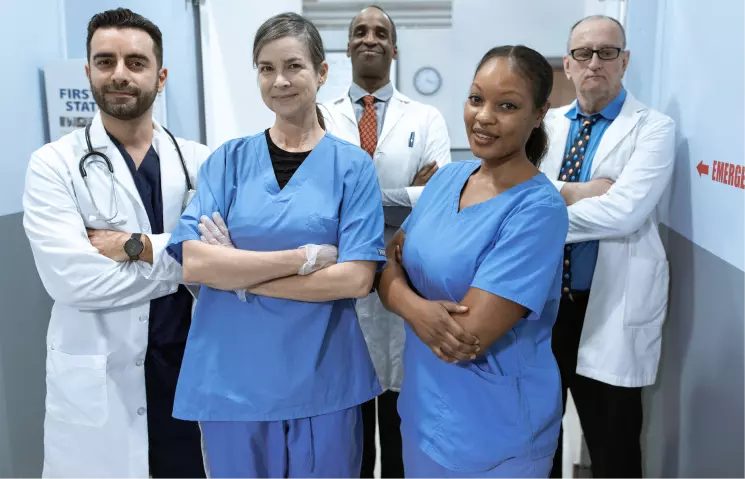
Healthcare websites, patient portals, appointment booking, and telemedicine solutions.

Websites for home improvement, maintenance, renovation, and repair services.
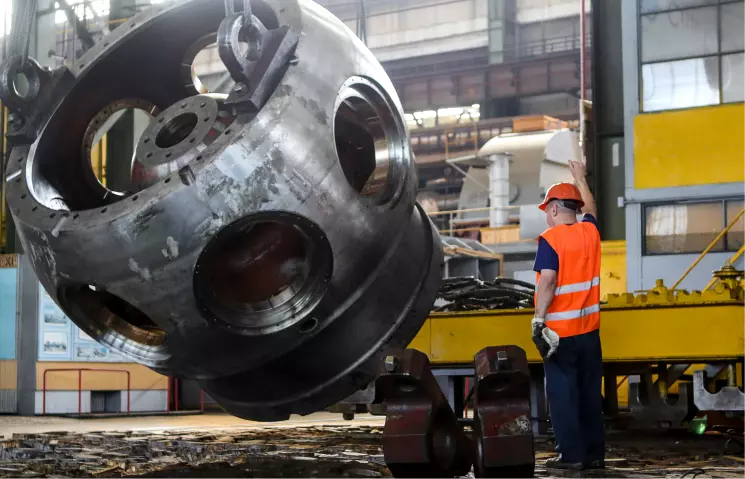
Custom software and websites for manufacturing and industrial businesses.
Application modernization only works when it is grounded in real platform expertise. Our team has hands-on experience modernizing applications across multiple technologies.
We Build On
We Migrate From
From technical trends shaping modernization investment to the specific challenges we solve, these fourteen capabilities cover application modernization end to end.
Most legacy applications cannot easily support AI assistants, intelligent search, or predictive analytics, not because AI is not valuable to the business, but because the underlying architecture was never built to accommodate it. We modernize application architecture specifically so businesses can adopt AI capabilities when they are ready, rather than discovering the legacy system is the blocker once an AI initiative is already underway.
Replacing an entire business-critical application is expensive and risky, and many organizations discover this only after committing significant budget to a rebuild that takes longer and costs more than expected. We help businesses modernize incrementally, UI modernization, API enablement, database modernization, and cloud migration delivered in phases, rather than forcing a complete replacement project that concentrates cost and risk into one effort.
An application still built for an on-premise environment inherits every limitation of that infrastructure, including scalability ceilings and maintenance burdens that cloud-native architecture was designed to remove. We prepare applications for modern cloud environments through Azure migration, AWS migration, hybrid cloud architectures, and containerization, moving your application onto infrastructure that grows with your business instead of constraining it.
A legacy system that operates in isolation from your CRM, ERP, ecommerce platform, and other business systems forces staff to manually bridge the gap those systems should be closing automatically. We build APIs that allow legacy applications to participate in a modern technology ecosystem, integrating with CRM, ERP, ecommerce, marketing platforms, and customer portals rather than continuing to operate as an isolated system.
Manually reading through years of undocumented legacy code to understand what it actually does is one of the slowest and most expensive parts of any modernization project. We use AI-assisted tools to accelerate code analysis, migration, and refactoring, helping our engineers understand and modernize legacy systems faster, without skipping the careful review a business-critical application actually requires before changes go live.
An application is only as good as the data behind it, and outdated database architecture quietly limits performance, reporting, and analytics no matter how modern the interface on top of it looks. We improve application performance and business intelligence through modern data architecture, including database upgrades, reporting enhancements, analytics enablement, and carefully planned data migration that keeps historical data intact.
Years of shortcuts, workarounds, and deferred fixes make every new change slower and riskier than it should be, and the longer technical debt goes unaddressed, the more it compounds. We assess where technical debt has accumulated in your application and build a deliberate plan to pay it down as part of the modernization roadmap, rather than letting it continue to grow unchecked.
Code written in outdated languages or frameworks becomes difficult to maintain, extend, or find developers who still know how to work with, and the risk grows every year the codebase goes unaddressed. We modernize legacy code onto current frameworks and language versions, preserving the business logic already proven in production while making the codebase something your team, or ours, can actually maintain going forward.
Slow load times, sluggish workflows, and degraded response times frustrate users and cost the business productivity, often for reasons buried deep in outdated architecture rather than something a quick fix can resolve. We identify the actual source of performance problems, whether in the database, the frontend, or the underlying infrastructure, and modernize the specific layer causing the slowdown rather than applying a generic performance patch.
Outdated authentication, unpatched vulnerabilities, and compliance gaps expose the business to real risk, and discovering these during an audit or after an incident is a far more expensive way to find out than addressing them proactively. We build security into the modernization architecture itself, covering authentication, encryption, and access controls, rather than treating security as a separate initiative layered on after modernization is complete.
Interfaces designed years before current UX standards existed force users through workflows that feel dated and inefficient compared to the modern applications they use every day outside of work. We modernize both the visual design and the underlying interaction patterns, so the interface finally matches the quality of the business logic running underneath it rather than lagging years behind.
Systems that cannot connect to the CRM, ERP, or other platforms the business now depends on force staff to manually bridge gaps that those systems should be closing automatically. We build API-first integration into the modernized application, connecting it to the systems your business already runs rather than leaving it to operate as an island your team has to work around every day.
Architecture that cannot handle growing transaction volume, user counts, or data without significant performance degradation becomes a genuine ceiling on how much your business can actually grow. We modernize the underlying architecture and infrastructure so it scales with demand rather than becoming the constraint that limits growth, addressing the specific bottleneck rather than throwing more server capacity at the symptom.
Rising costs to keep an aging system running often exceed what a modernized platform would actually cost to operate, yet many businesses keep paying the maintenance bill rather than addressing the underlying problem. We help you understand the true cost of maintaining your current system against the cost of modernizing it, so the decision is based on real numbers rather than the discomfort of a large upfront investment.
We use industry-leading tools to ensure smooth communication, efficient development and transparent project management
Plan tasks, timelines, and project resources efficiently.
Build scalable solutions with clean and secure code.
Monitor performance, fix issues, and manage updates.

Create wireframes, UI designs, and interactive prototypes.
Conduct meetings and discussions to stay aligned.

Questions CTOs, operations leaders, and technical decision-makers commonly ask before choosing Keyideas for an application modernization project of any scope.
Have a question or need support? Our team is here to help and will get back to you within one business day.
* indicates required fields