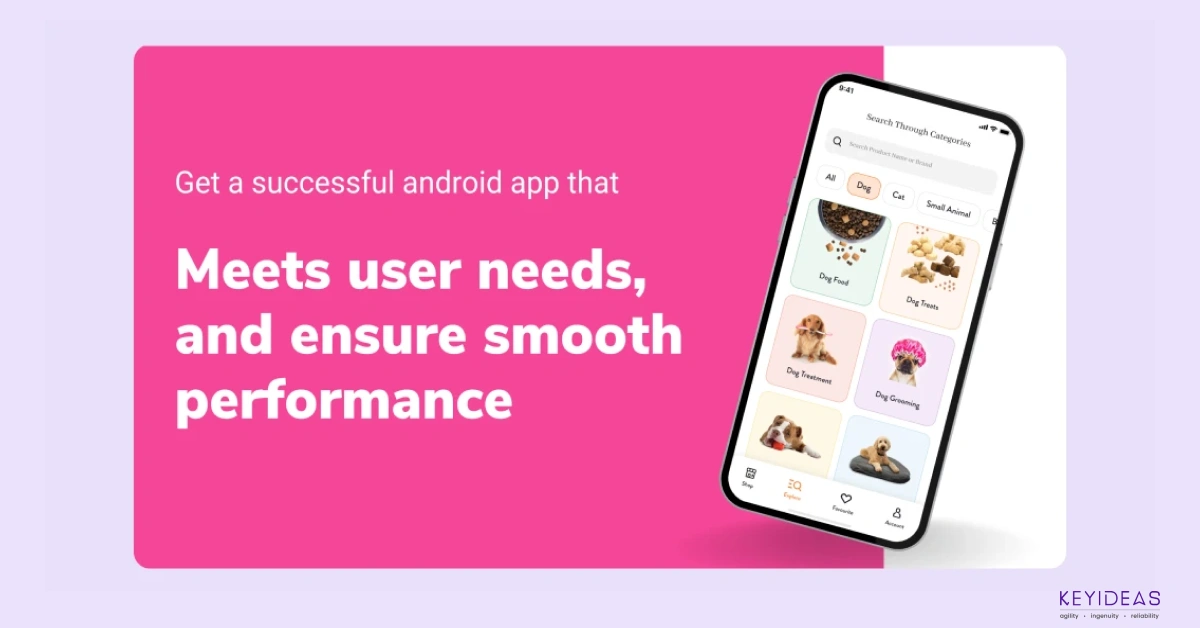
Why Android Apps Are Essential in Our Daily Lives
Smartphones are now essential tools for managing various aspects of our lives. From business to entertainment, mobile apps have become our everyday companions, and enterprises are leveraging them to engage customers like never before.
However, is building a mobile app as simple as it seems? Unlike mobile websites, apps offer a direct, personalized connection with users, making them powerful tools for customer engagement and loyalty.
Key Factors Impacting Android App Development Costs
Customers often seek top-tier apps at budget-friendly prices. Android app development costs vary widely, as there’s no fixed average; pricing is influenced by several critical factors.
Mobile Type and Functionalities: Features like third-party integrations, admin panel setup, and hardware utilization significantly impact app development costs.
App Infrastructure: Developing on Android generally costs less than on iOS. Hiring skilled Android app development companies can enhance your app’s quality and market reach.
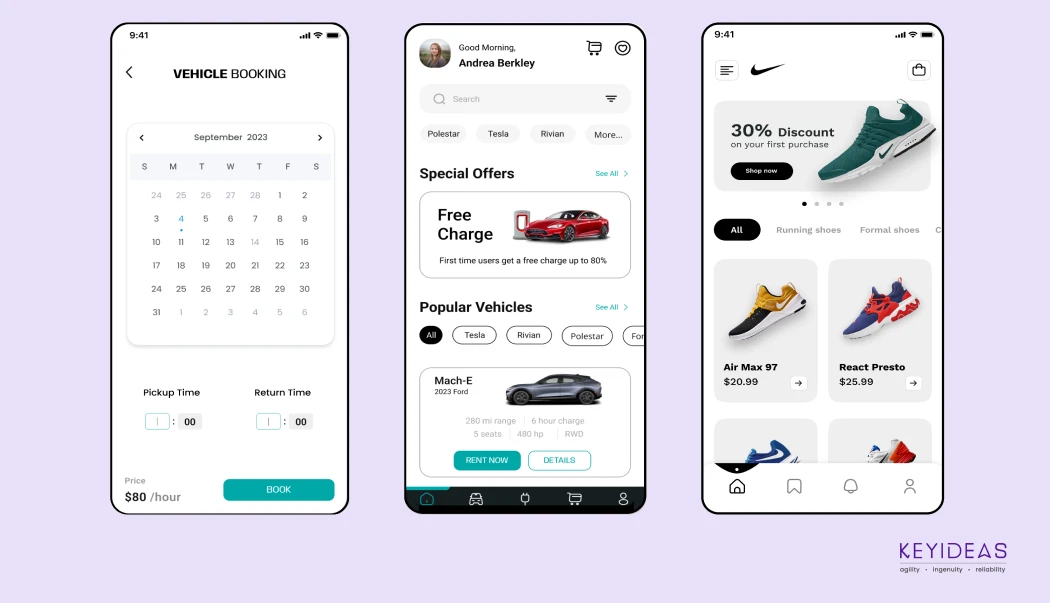
Ongoing Maintenance Costs: Regular budgeting for updates, bug fixes, and threat management is essential to keep the app secure and up-to-date.
App Hosting Expenses: Hosting is a major investment that affects user experience. Key cost factors include request volume, traffic, memory, database needs, and security measures.
Cost of External APIs: Seamless app interactions with other platforms require APIs, facilitating smooth communication with other software systems and enhancing functionality.
Android App Development: How Profitable is it Really?
People use mobile apps daily for activities like shopping, banking, advertising, and entertainment. With such high usage, developing a mobile app can be highly profitable—but just how much? Let’s explore the main revenue streams and profitability factors for Android apps.
Where is the Money in Android Apps?
There are several popular ways to make money with apps. Here are three primary methods:
App Sales: Users pay to download, but Google takes a portion of the revenue, and the developer keeps the rest. However, unless the app offers exceptional value, most users prefer free options, so paid apps generally bring limited earnings.
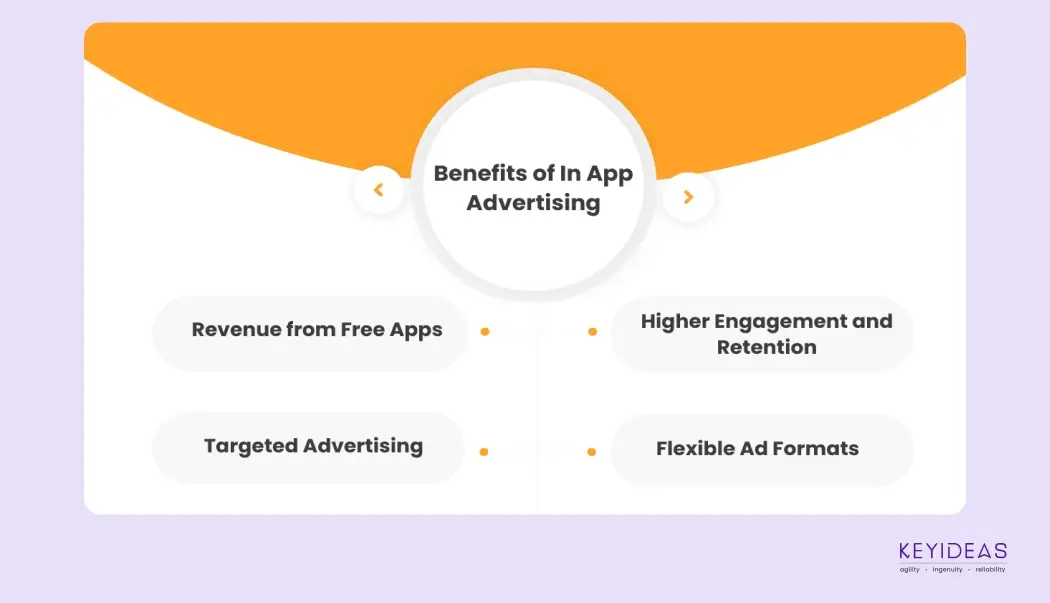
In-App Advertising: Free apps, which are often entertaining or useful, make money through ad placements that generate income from impressions. This is one of the most common and profitable ways to monetize apps.
In-App Purchases: Apps can sell digital or real items directly to users. For example, games may offer in-game items or upgrades for purchase, creating an ongoing revenue stream.
Categories of Mobile Apps
There are two primary types of mobile apps: those developed to generate revenue and those designed for marketing or brand-building.
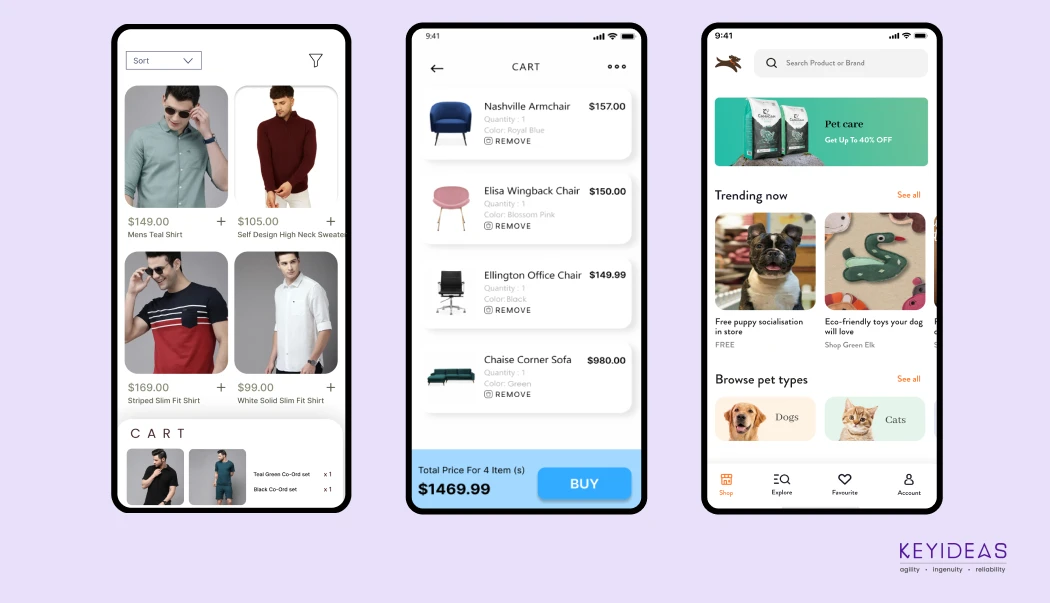
Income-Generating Apps: These apps bring in profit both directly and indirectly through app sales, in-app ads, and subscriptions. A well-known example is gaming apps like Angry Birds, which make substantial income through in-app purchases and ads.
Branding-Focused Apps: Apps created for branding and marketing are usually free. Location-based apps are good examples, as they serve as marketing channels to expand brand reach, with success measured by the number of users they attract.
Single Platform vs Cross-Platform Apps
Single-platform apps are easier to develop but only work on one platform, like iOS or Android, limiting their reach. In contrast, cross-platform apps are more complex but allow you to target users across multiple platforms, expanding your potential audience. However, this comes with higher development costs and time.
Cost Breakdown of Custom Android App Development
Wondering what budget to set for developing an Android app? Here’s a quick breakdown based on current market costs. In 2024, developing a custom Android app can cost from $5,000 to over $300,000, based on the app’s complexity and desired features:
Simple Apps: Basic apps with limited functionality, like a calculator or login portal, range from $5,000 to $50,000.
Moderate Apps: Apps with mid-range functionality—like social networking or tracking features—cost between $50,000 and $120,000.
Complex Apps: Advanced apps, such as custom e-commerce or gaming apps with sophisticated features, fall between $100,000 and $300,000+
App Cost Estimators: App cost calculators provided by development platforms can give you an initial estimate. Using them can help you gauge expected costs based on your chosen features and platform requirements.
Ongoing App Maintenance Costs: App development is not a one-time cost. Maintenance expenses can reach $5,000 to $11,000 per month for medium-sized apps, with large projects costing as much as $25,000 monthly. Plan for regular updates, as 80% of apps are updated twice a year to remain competitive
Keyideas: Leading Android App Development Company
Keyideas is a top Android app development company known for high-quality mobile app services. We have developed hundreds of high-performance apps across multiple Android versions, ensuring optimal performance.

We leverage the best mobile app development platforms and follow the Rapid Application Development (RAD) methodology, focusing on prototyping and iterative development. This approach delivers efficient, custom solutions that maximize business efficiency.
Is Developing Android Mobile Apps Worth It?
An interactive, feature-rich Android app can significantly boost your business success. Understanding the factors discussed earlier helps in estimating the app’s development cost. The cost-effectiveness of Android app development largely depends on the app’s impact and what it can achieve.
Apps like Uber revolutionized customer experiences and generated significant returns. To make Android app development cost-effective, it’s essential to align the strengths of both the business and developers while addressing potential challenges.
The profitability of Android apps on Google Play is steadily growing, with various monetization strategies that can lead to a higher ROI on your investment.
Mobile e-Commerceis a natural progression of eCommerce as Mobile e-Commerce Increase Customer Loyalty and Retention of the customer.
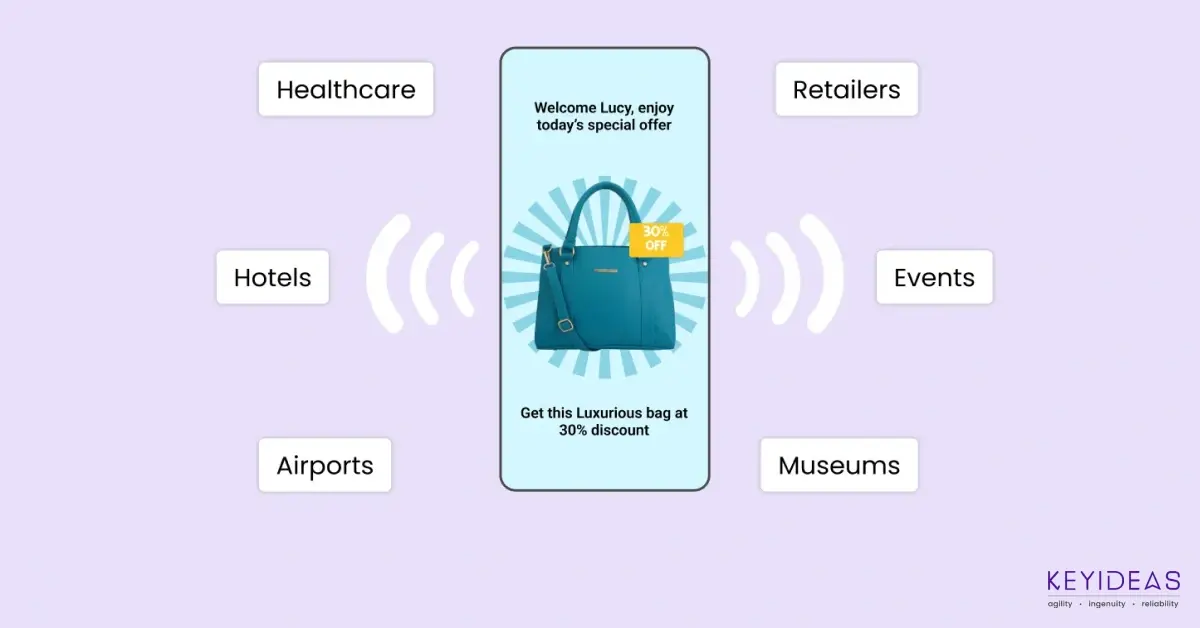
Apple's iBeacon ios app enables retailers to extend tailored messages when the customer is in-store thus reducing marketing efforts and costs for them.
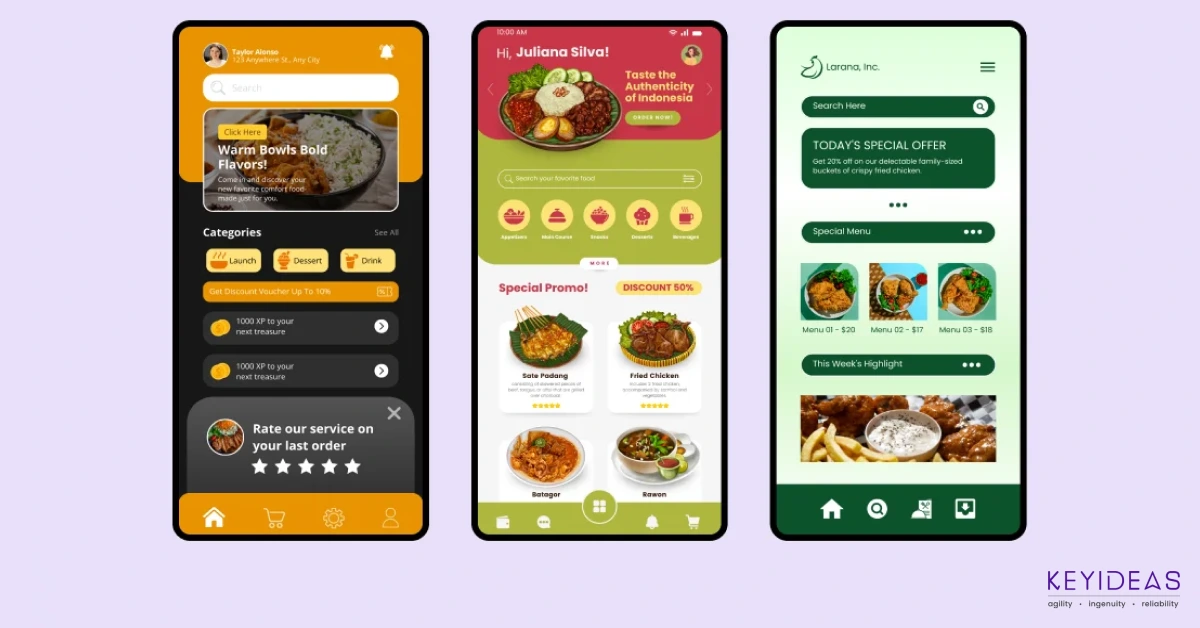
Now more than ever, restaurant owners should take advantage of mobile applications to help them improve and grow their business.
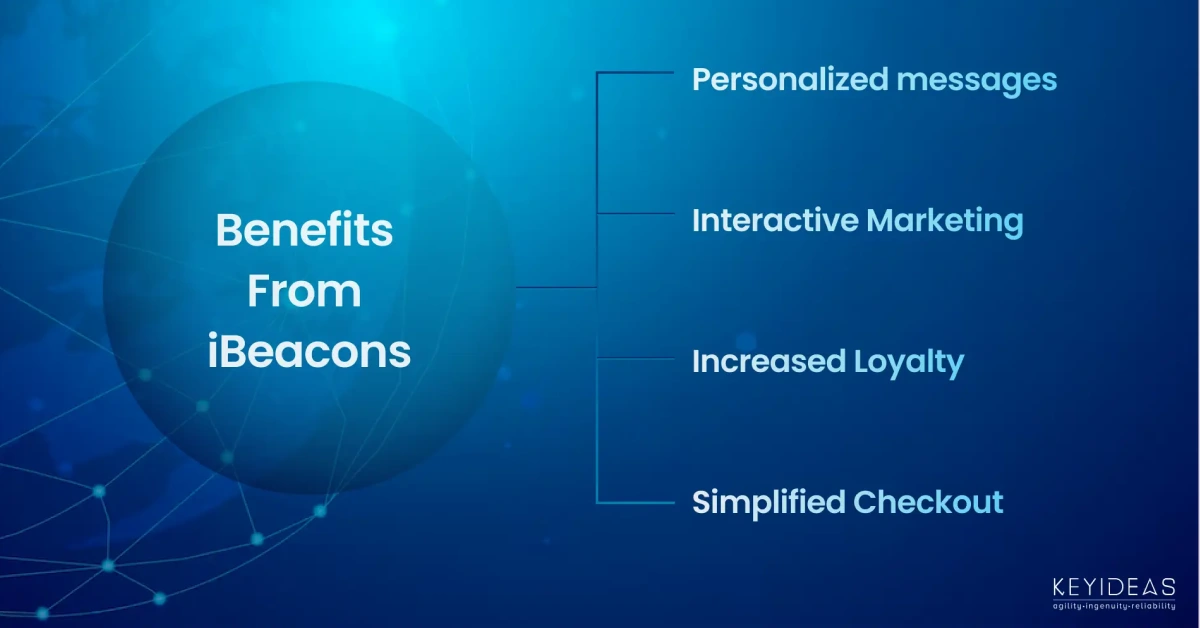
Apple's iBeacon technology is redefining many sectors remarkably like iBeacons in retail and education & are no different.

