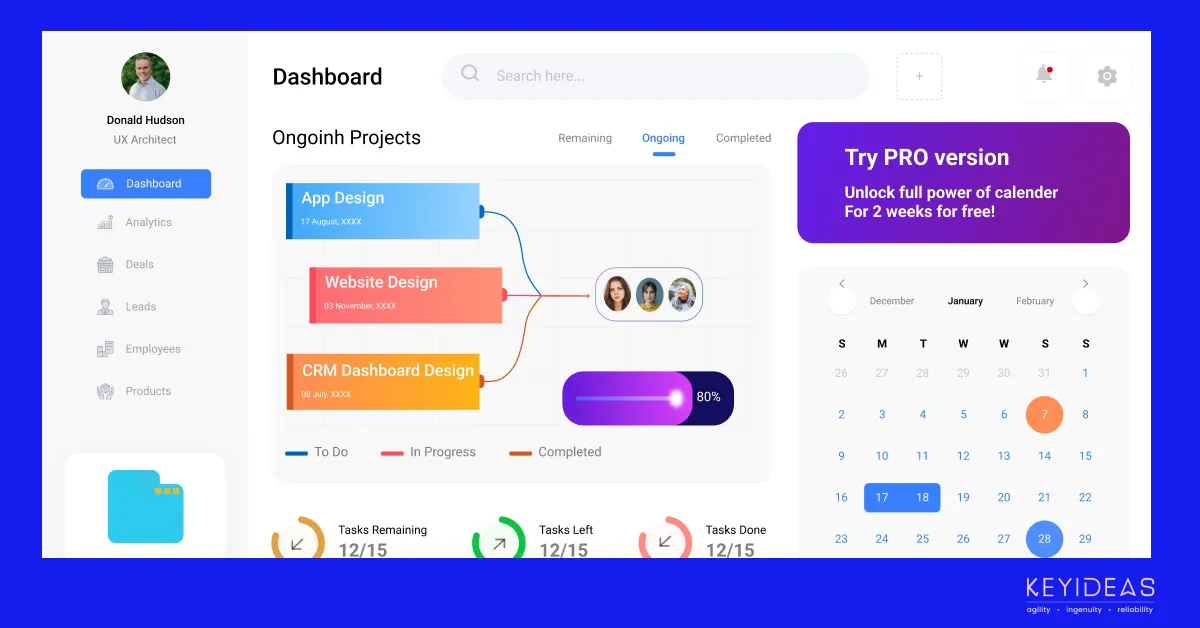
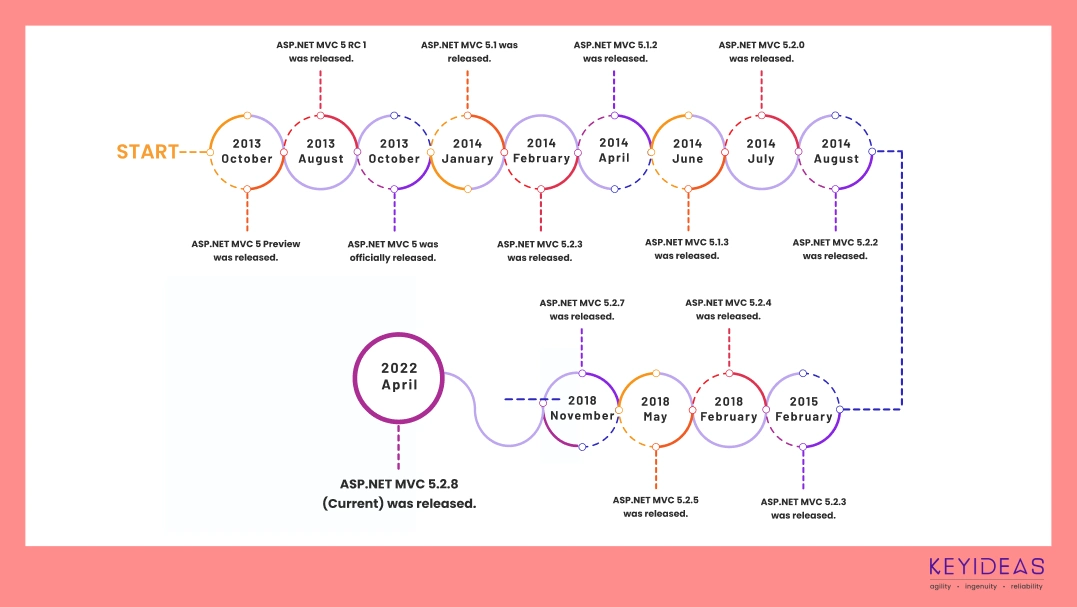
ASP.NET MVC development services, developed by Microsoft, is a robust web framework leveraging the Model-View-Controller architecture to build scalable, user-friendly applications. Since its debut in .NET 3.5, it has evolved with advanced features ideal for modern MVC web development services.
Our ASP.NET MVC development services deliver secure, flexible, and high-performing MVC web development services tailored to your business needs, ensuring scalability, efficiency, and exceptional user experiences.
Enterprise-Ready MVC Web Development Services by Keyideas – your Trusted ASP.NET Partner
Empower your business with secure, scalable, and high-performance web solutions. Leverage our expertise in ASP.NET MVC for cutting-edge digital transformation.
Custom ASP.NET MVC Development for Secure & High-Performance Applications
Build modern, future-ready web applications with our tailored development approach. Ensure robust security, seamless performance, and optimized user experiences.
Keyideas Builds Modern, Scalable Web Applications with ASP.NET MVC Architecture
Develop feature-rich, enterprise-grade web apps with structured MVC architecture. Ensure modular development, easy maintenance, and long-term scalability.
Enhance Application Security with Built-In Authentication and Role-Based Access
Implement advanced security measures with ASP.NET’s authentication protocols. Control user access efficiently with role-based permissions and encryption.
Create SEO-Friendly and Dynamic Web Experiences with Razor View Engine
Leverage Razor View Engine for dynamic, high-speed rendering and SEO compliance. Enhance user engagement with optimized, mobile-responsive designs.
Seamless Integration with Third-Party APIs, Cloud Platforms, and Enterprise Software
Expand your application’s capabilities with API and cloud integrations. Achieve interoperability with CRM, ERP, and business intelligence solutions.
Performance Optimization for High-Traffic Business Applications
Ensure seamless user experience with optimized code and caching strategies. Improve load times and scalability to handle high concurrent traffic.
Unlock the Power of MVC Web Development with Keyideas Expert Team
Transform your business with cutting-edge ASP.NET MVC solutions. Leverage scalable, secure, and high-performance web applications tailored to your needs.
ASP.NET MVC Development Services for Business Growth & Digital Transformation
Accelerate digital success with structured, enterprise-ready MVC development. Build robust, feature-rich applications designed for scalability and efficiency.
Build Enterprise-Grade Applications with a Structured MVC Framework
Develop maintainable, modular web applications with ASP.NET MVC architecture. Ensure seamless functionality, enhanced security, and long-term adaptability.
Custom ASP.NET MVC Solutions for Finance, Healthcare, and E-Commerce Growth
Empower industry-specific digital transformation with tailored ASP.NET solutions. Optimize workflows, enhance security, and drive business growth.
Optimize Database Management with SQL Server, MySQL, PostgreSQL, SQLite and NoSQL.
Enhance data efficiency with optimized database integration. Ensure seamless performance, secure transactions, and real-time data accessibility.
Modern UI Development with Razor Syntax for Enhanced User Experiences
Create dynamic, fast-loading, and visually appealing web interfaces. Leverage Razor syntax for high-performance, SEO-friendly, and responsive designs.
Seamless ASP.NET MVC Migration & Customization Services by Keyideas
Upgrade your legacy applications with modern ASP.NET MVC solutions. Achieve enhanced performance, security, and scalability with expert-driven migration.
Transition Legacy .NET Applications to the Latest ASP.NET MVC Framework
Modernize outdated applications with structured MVC architecture. Improve maintainability, performance, and security with seamless migration.
Re-Engineer Outdated Software for Improved Performance and Cloud Readiness
Optimize existing applications for faster load times and cloud compatibility. Leverage cutting-edge technologies for a future-proof digital experience.
Enable Microservices Architecture for Better Scalability and Modular Development
Break down monolithic applications into scalable microservices. Enhance flexibility, maintainability, and seamless deployment across cloud environments.
Handle Complex Server-Side Logic Better with Client-Side Frameworks Like React Or Angular
Boost application performance with modern front-end frameworks. Improve interactivity, responsiveness, and user experience with dynamic UI components.
Easily Integrate with NoSQL Data Stores Like MongoDB, Redis, And Azure Cosmos DB for Versatile Data Handling
Enhance data management with high-performance NoSQL solutions. Achieve real-time data processing, scalability, and flexibility across platforms.
Why Choose Keyideas for MVC Web Development Services?
Partner with Keyideas for expert-driven ASP.NET MVC development. Build secure, scalable, and high-performance web applications tailored to your business.
Proven Expertise in Delivering High-Performance ASP.NET MVC Solutions
Leverage years of experience in building robust, enterprise-grade applications. Ensure seamless functionality, top-tier security, and optimized performance.
End-to-End Development, Migration, and Maintenance Services
Get full-cycle ASP.NET MVC solutions from planning to deployment. Benefit from smooth migrations, continuous improvements, and dedicated support.
Scalable Architecture for Long-Term Growth and Business Expansion
Future-proof your applications with a modular, scalable framework. Adapt easily to evolving business needs and growing user demands.
Get a Free Consultation with Keyideas’ ASP.NET MVC Experts Today!
Discuss your project requirements with our skilled ASP.NET MVC developers. Get tailored solutions to enhance your digital transformation journey.
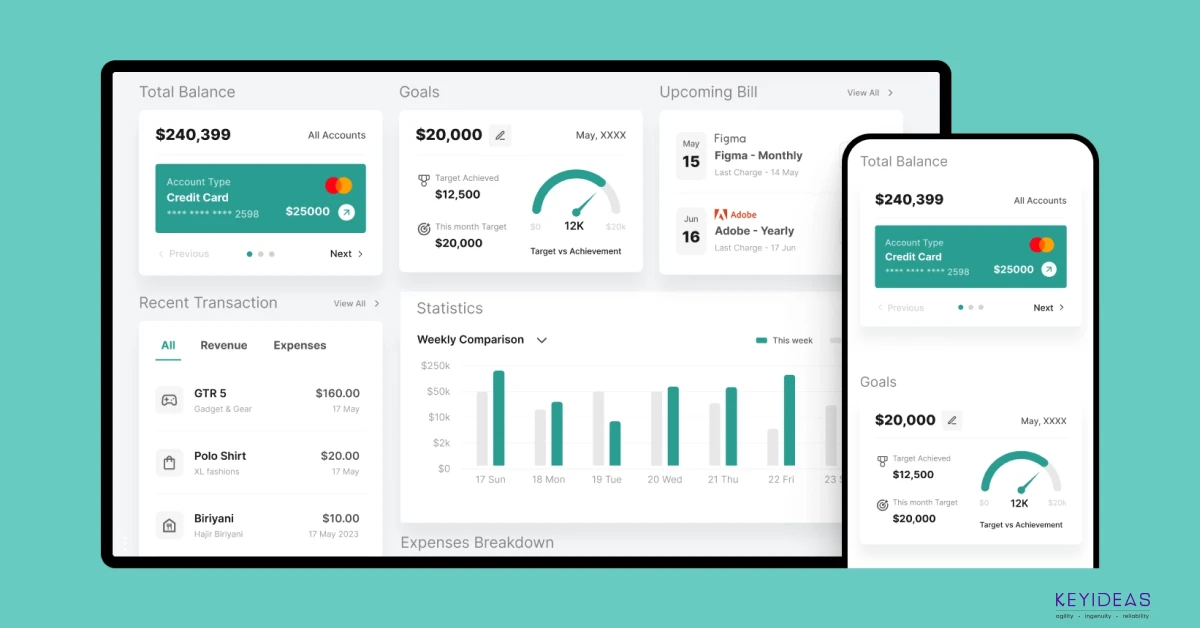
Hire .NET MAUI developer for expert MAUI and Xamarin mobile app development. Hire MAUI developers to harness cross-platform capabilities for unique results.
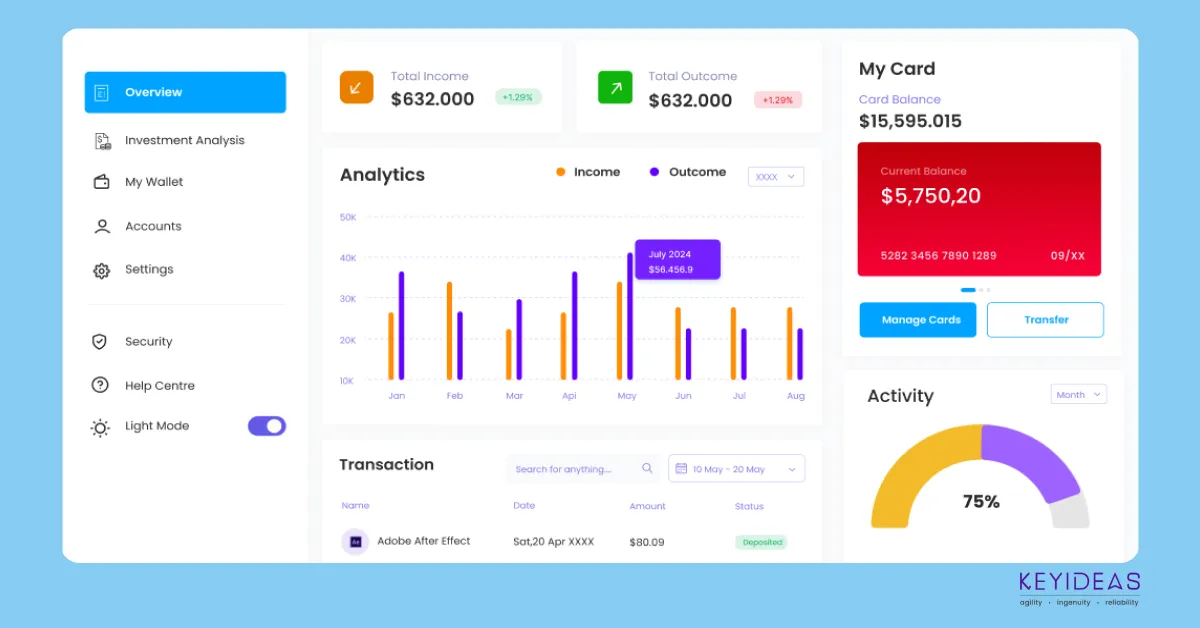
The best ASP.NET Core Development Company that helps businesses to build their online presence. Our ASP.NET Core Development Services are your 1-stop solution.
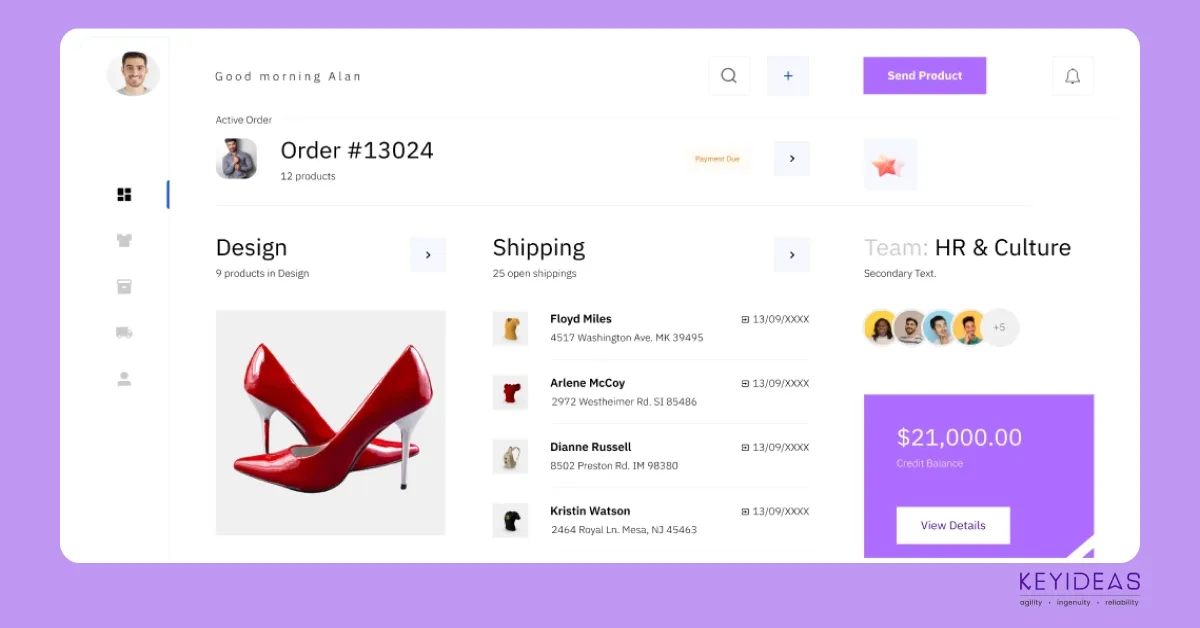
Hire AbleCommerce e-commerce website developers for the best experience. We provide outsourcing services for AbleCommerce e-commerce development.
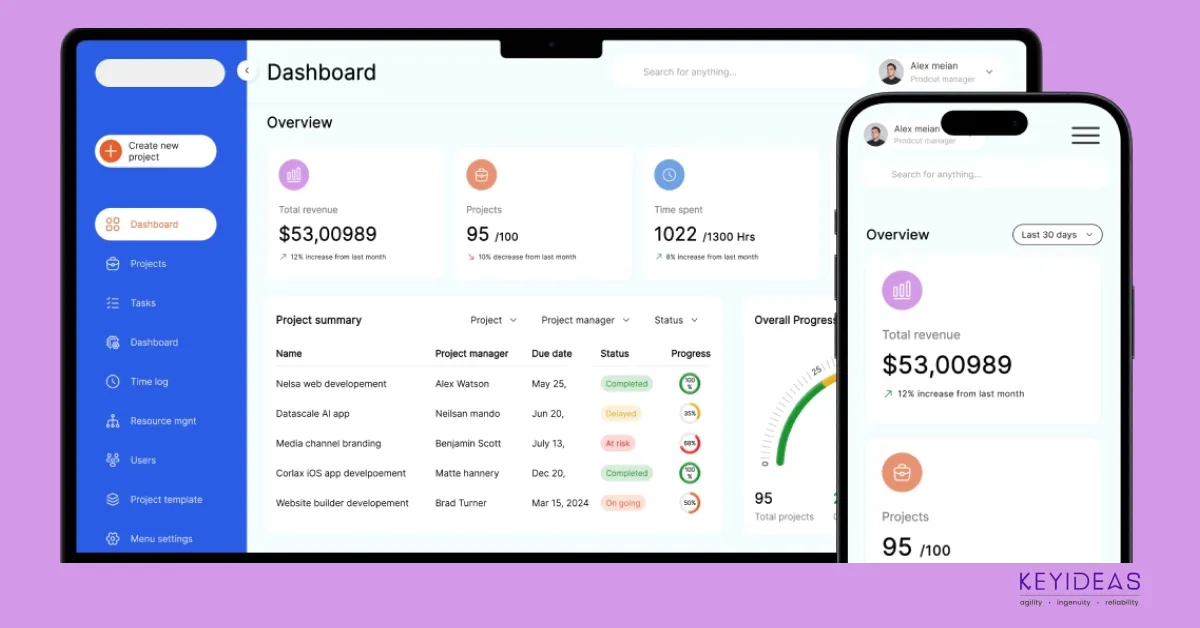
Are you looking to hire Xamarin Developers? Then hire Xamarin app developers who have been working in the web app development industry for more than 15 years.

