Best eCommerce Design Firm
Want to sell your products online but don’t know how to get started? Our top eCommerce design firm brings eCommerce experts to your table. With years of experience, we know what it takes to create a big online brand.
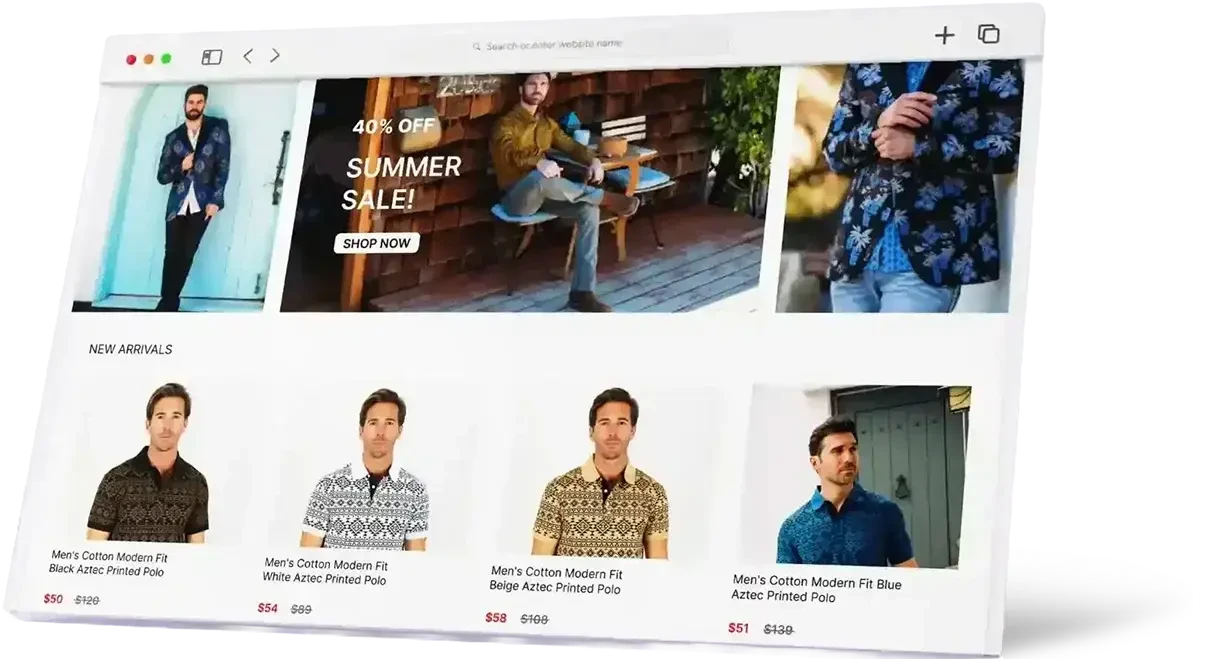
Elevate Your Brand with Top-Tier eCommerce Development Company
We deliver innovative solutions designed to meet your specific goals. Partner with us to bring your online store vision to life!
Collaborate In The Process Of Building A Brand
Over the span of 16 years, we’ve launched hundreds of websites and applications across a wide range of niches, partnering with various businesses and brands. Join us as we collaborate with you to work as your extended team for your online success.
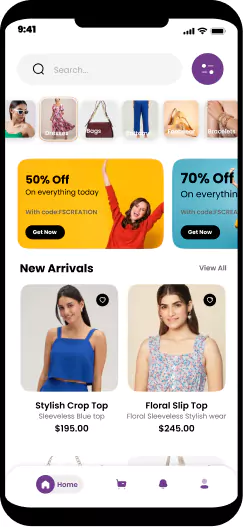
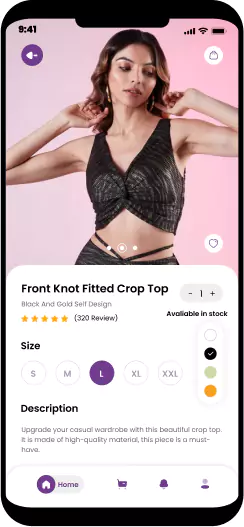
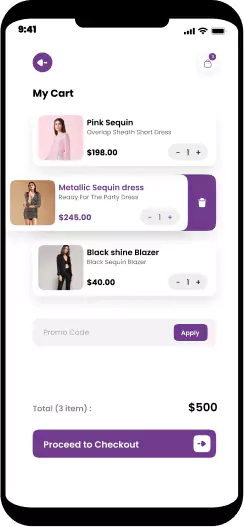
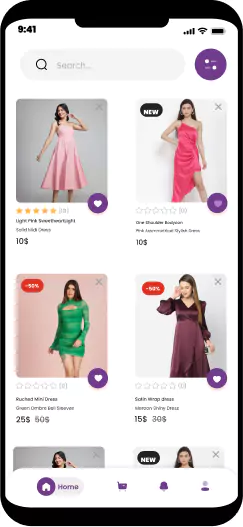
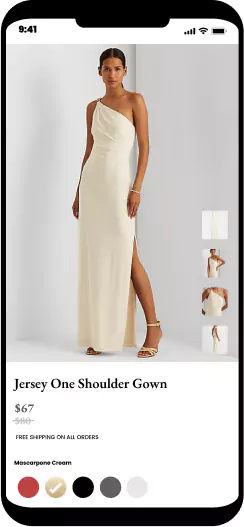
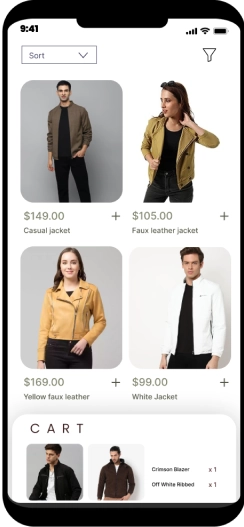
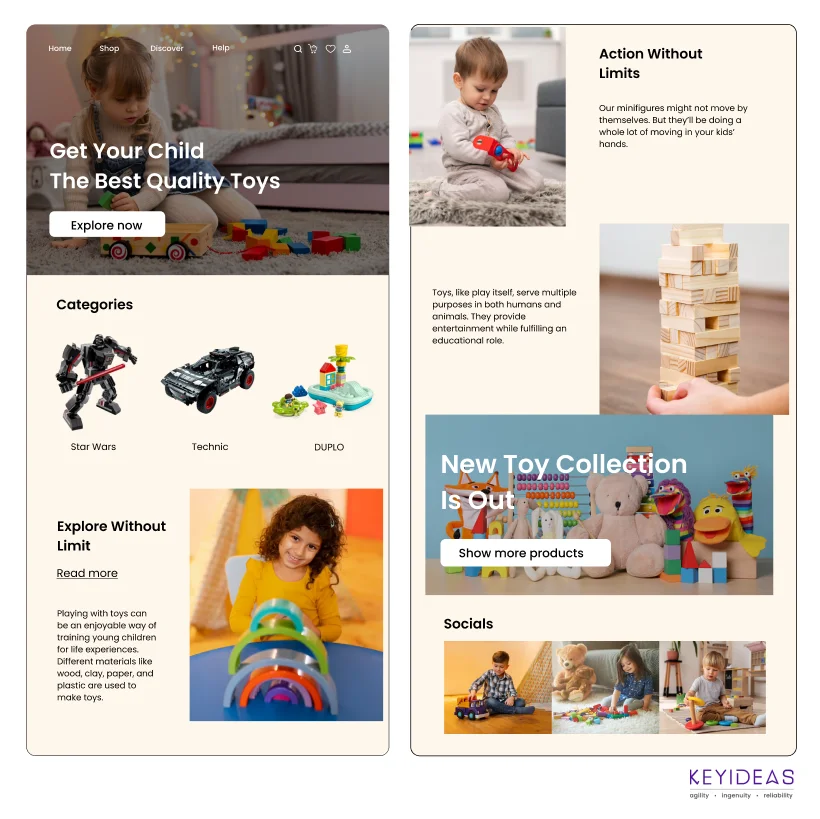
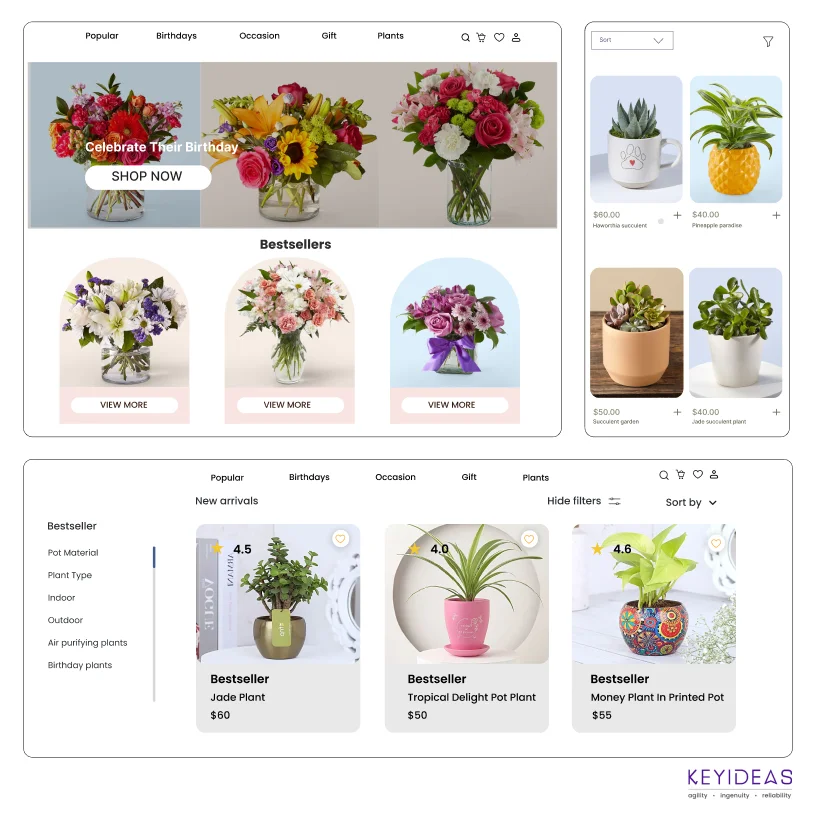
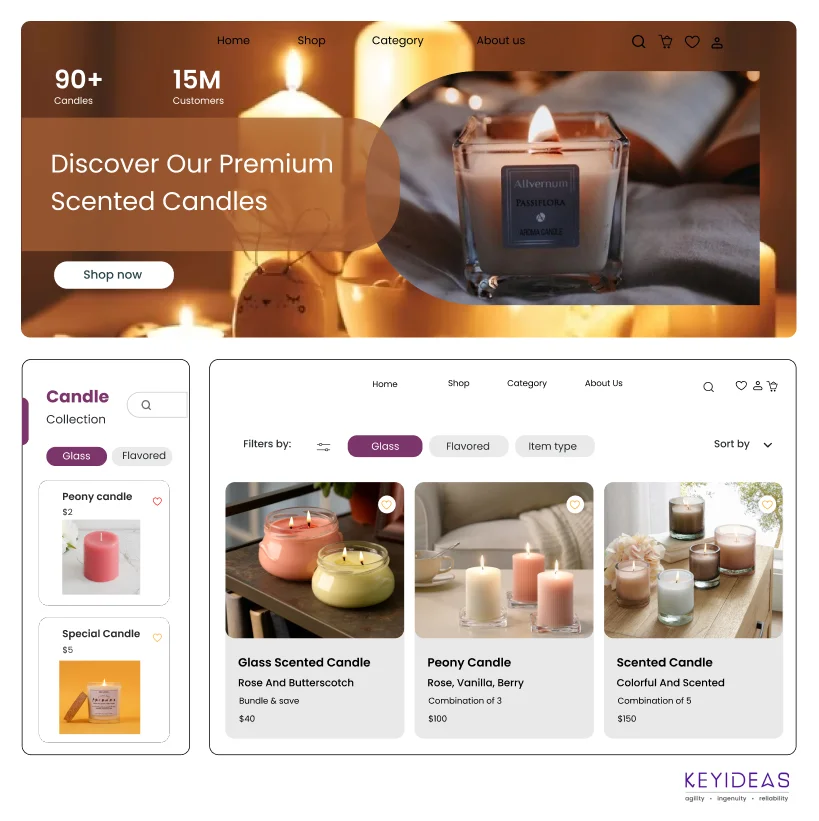
Featured Selection of our eCommerce Products
We ensure that your products are properly indulged with the features so that they can take advantage of them.
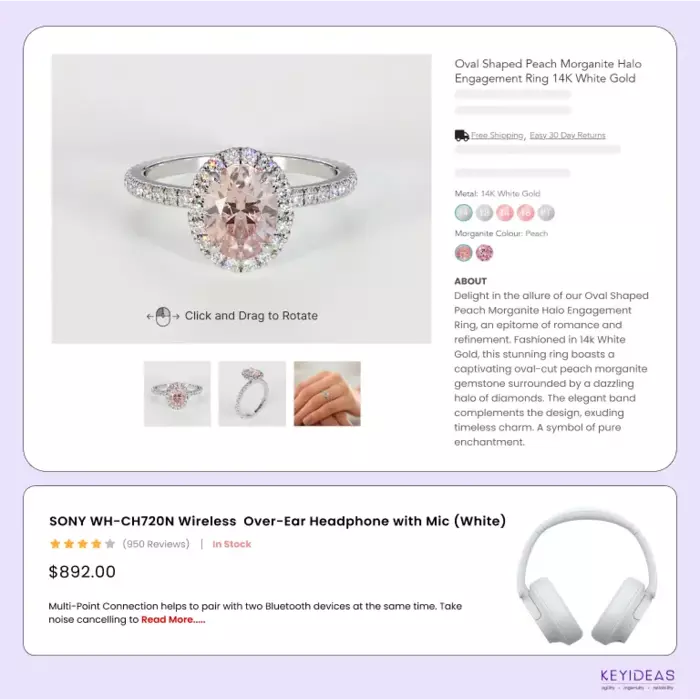
Find out how to design a website or blog, identify search engine optimization strategies, pay attention to other essential aspects.
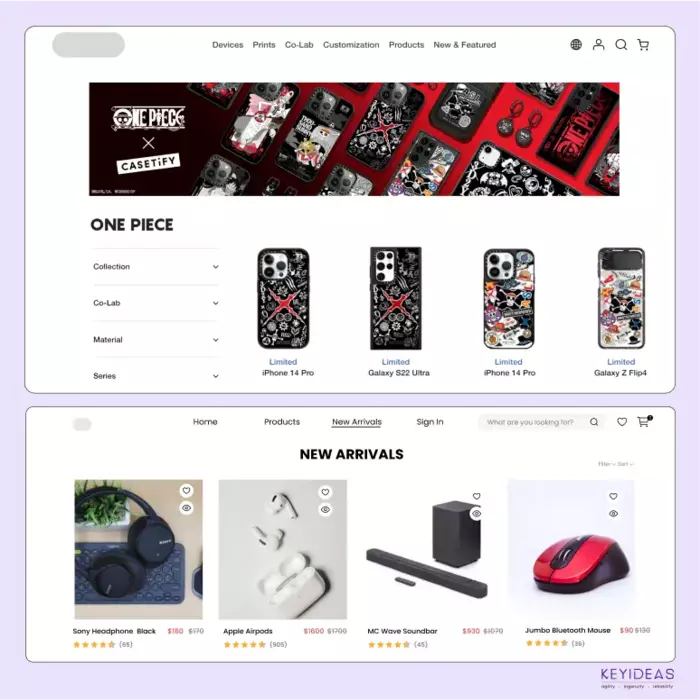
Social media promotion and analytics, without neglecting essential legal stuff like trademarking your business name.
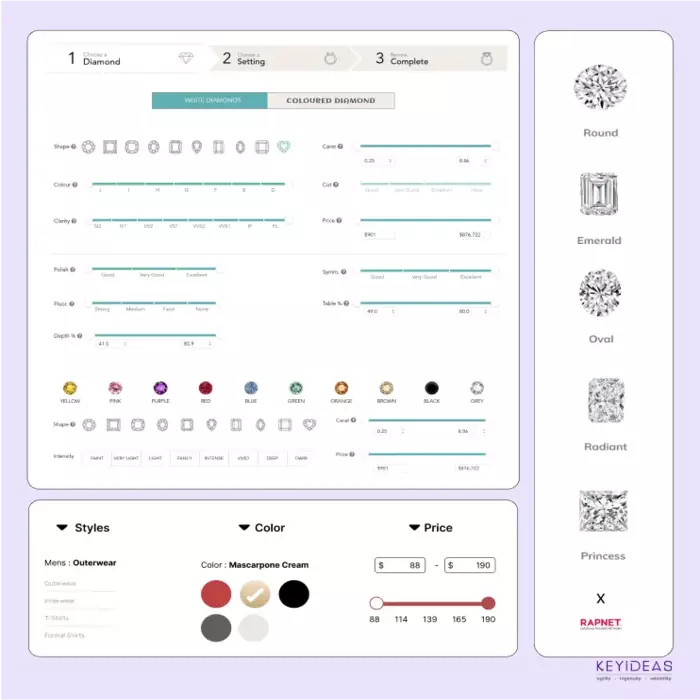
Generate product interest and boost conversions by choosing from a wide range of digital channels.
All-In-One eCommerce Development and Management
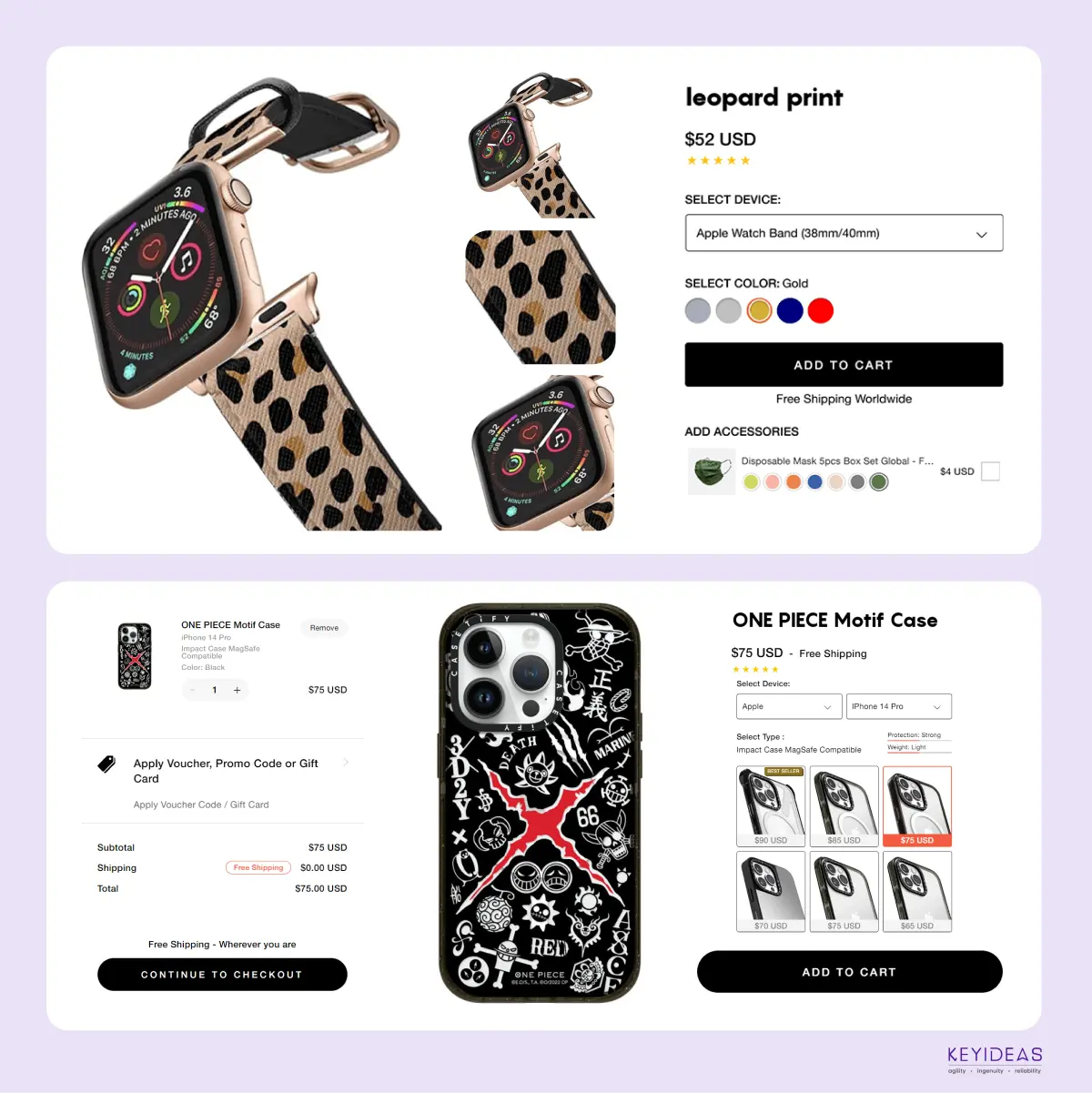
360-Degree Ecommerce Development Support
- Comprehensive Technical Assistance: We provide end-to-end technical support, ensuring your eCommerce platform runs smoothly and efficiently.
- Strategic Business Consulting: Our eCommerce experts offer tailored advice to optimize your business model and drive growth in the competitive landscape.
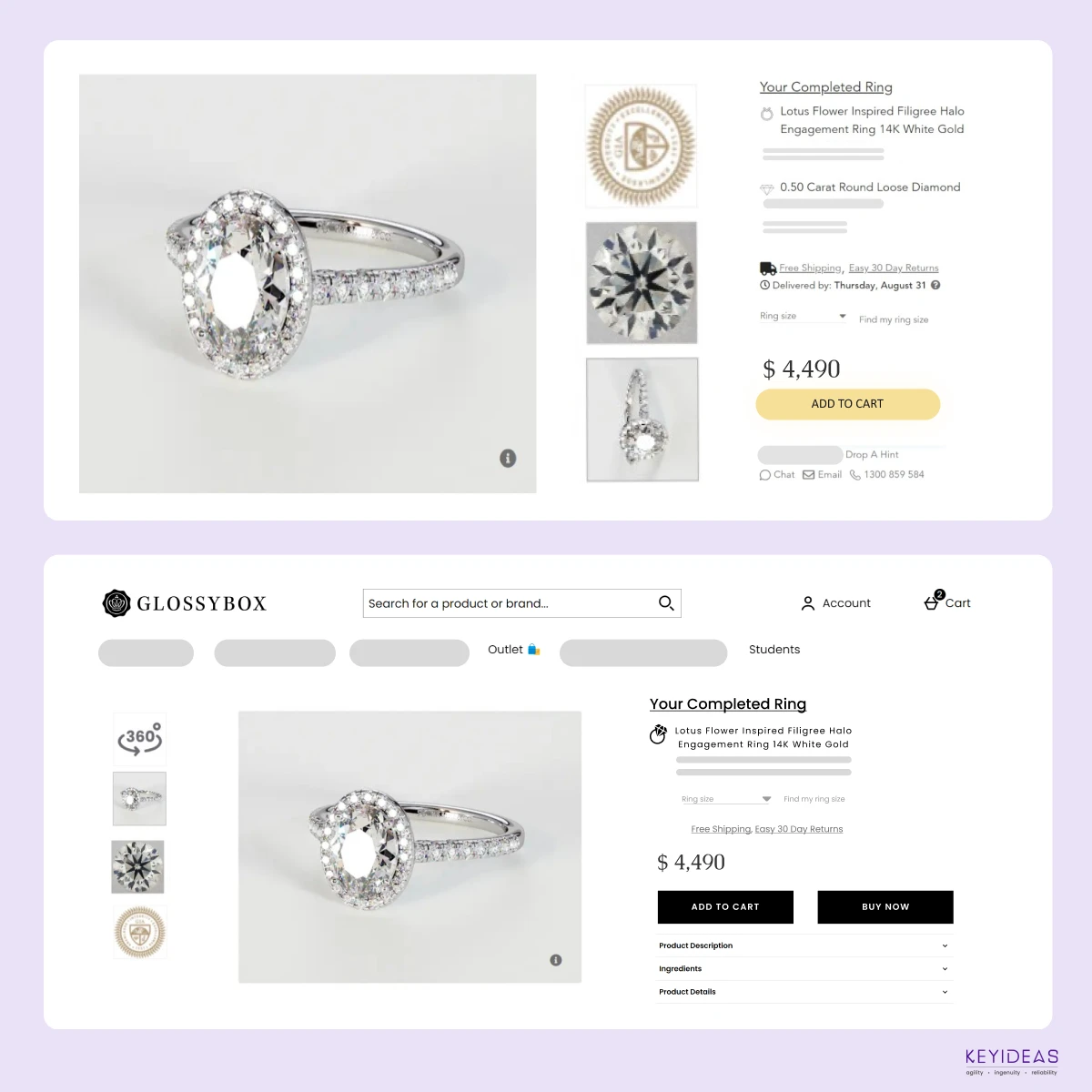
A/B Testing View in eCommerce
- Data-Driven Insights: We analyze user behavior through A/B testing to identify which variations yield the best performance.
- Continuous Optimization Our iterative approach allows for ongoing adjustments, ensuring your website evolves based on real user feedback.
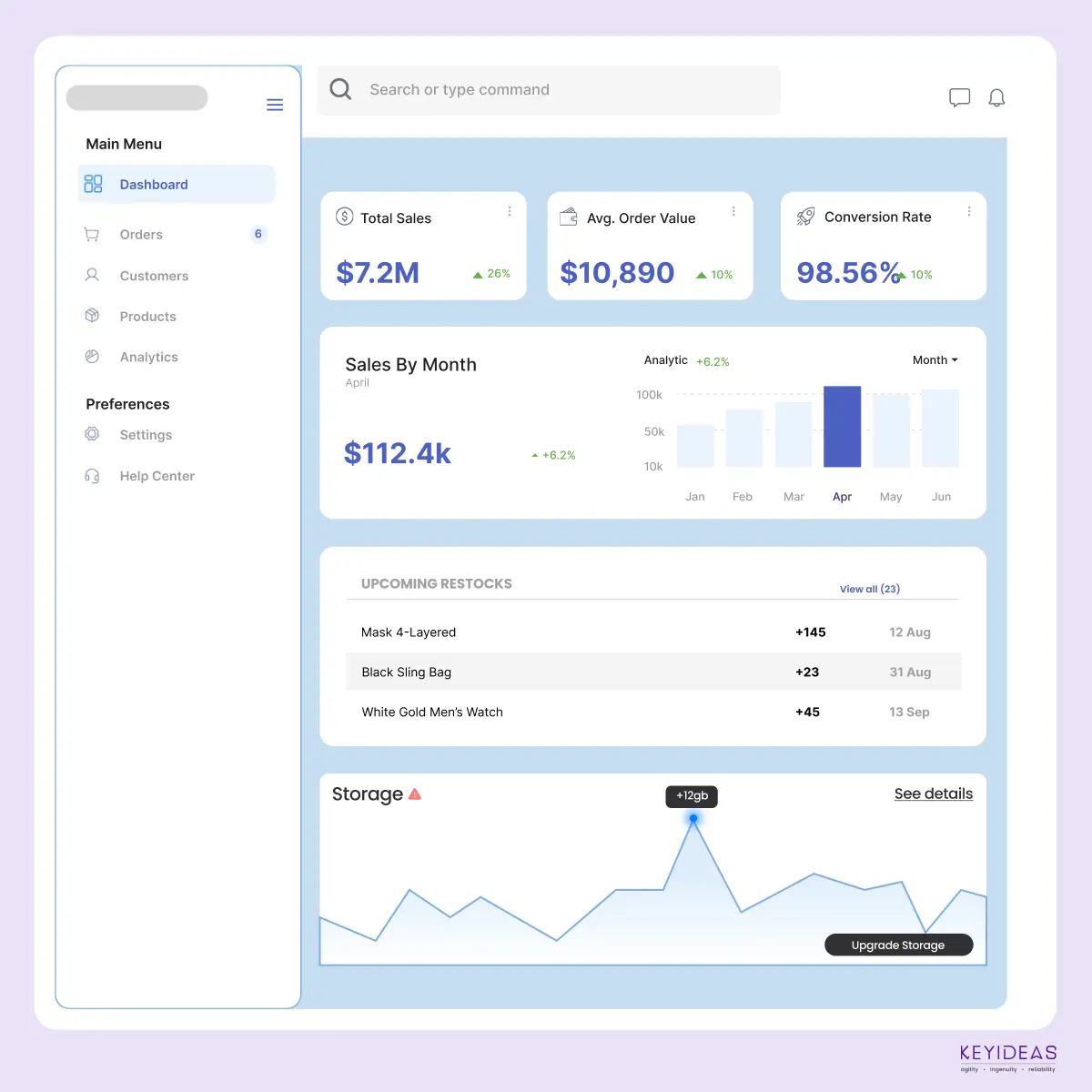
Access And Manage Your Online Store From Anywhere
- Cloud-Based Control: Our platform allows you to access and manage your online store securely from any device, anywhere.
- Real-Time Inventory Management: Stay updated on stock levels and make adjustments on the go, ensuring your operations run smoothly at all times.
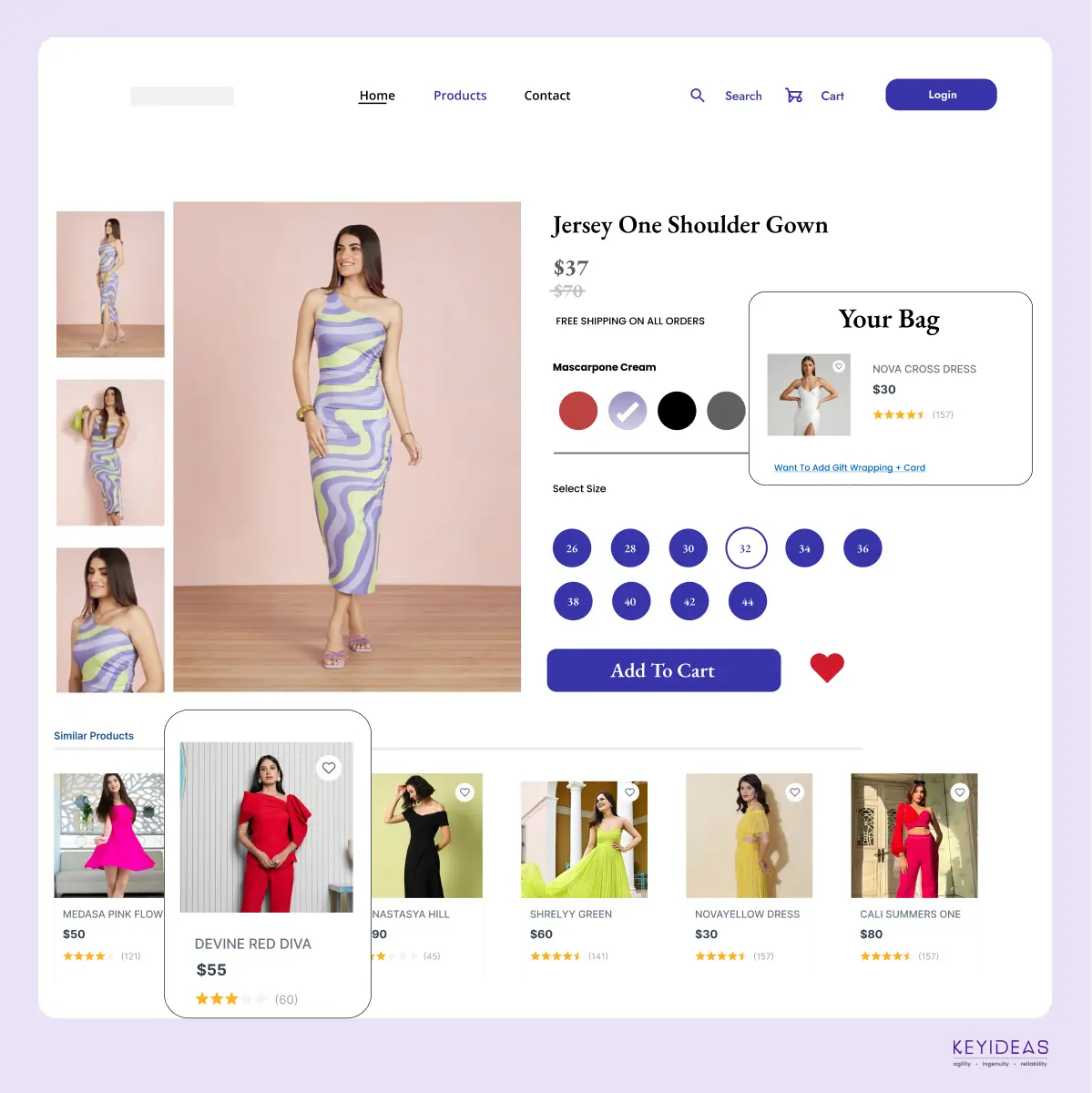
Managing SKUs and Payment Solutions
- Effective SKU Management for Inventory Control:Discuss strategies for organizing and categorizing SKUs to improve inventory tracking, reduce stockouts, and streamline order fulfillment.
- Integrating Payment Solutions for Seamless Transactions: Explore various payment processing options and how to implement them to enhance the customer checkout experience and minimize cart abandonment.
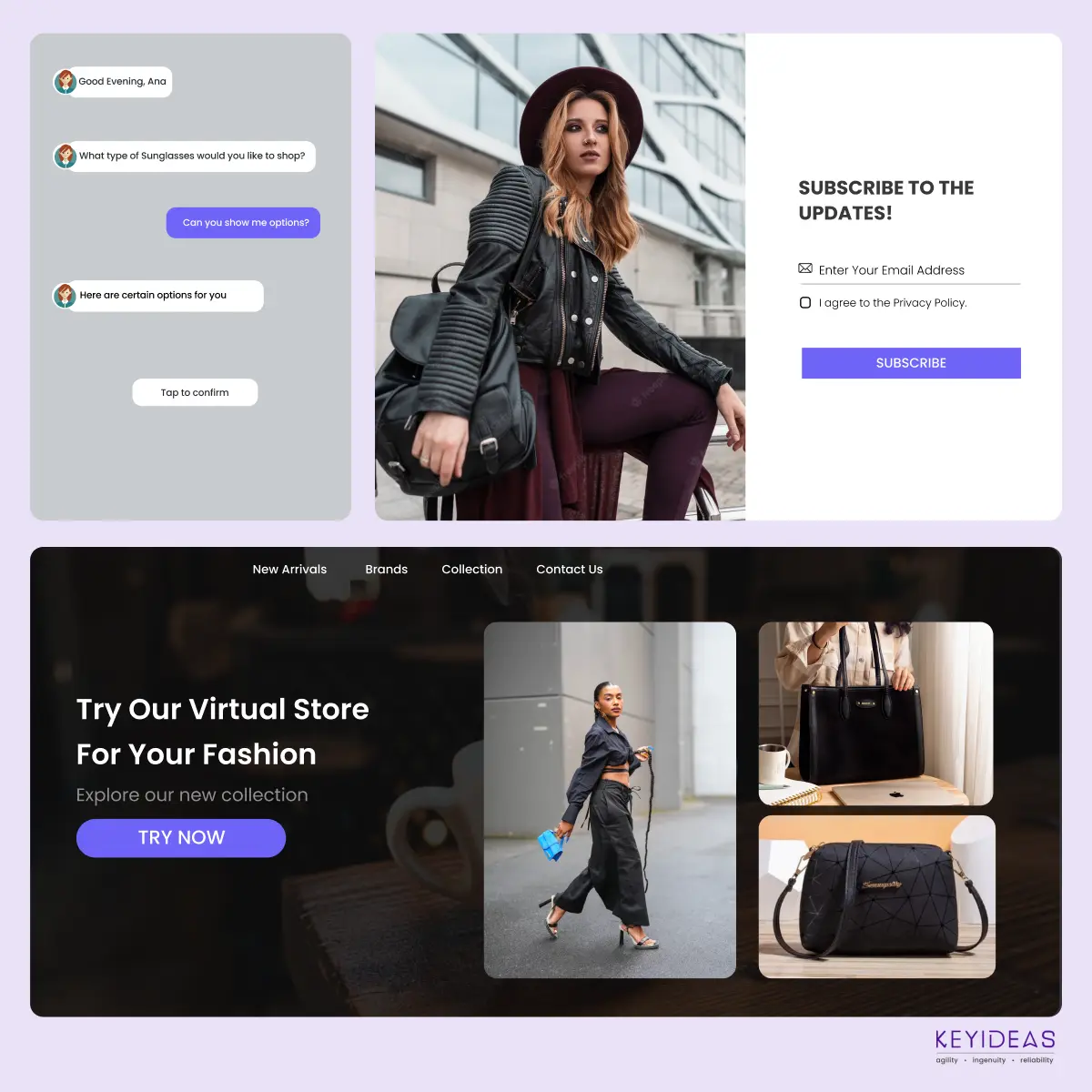
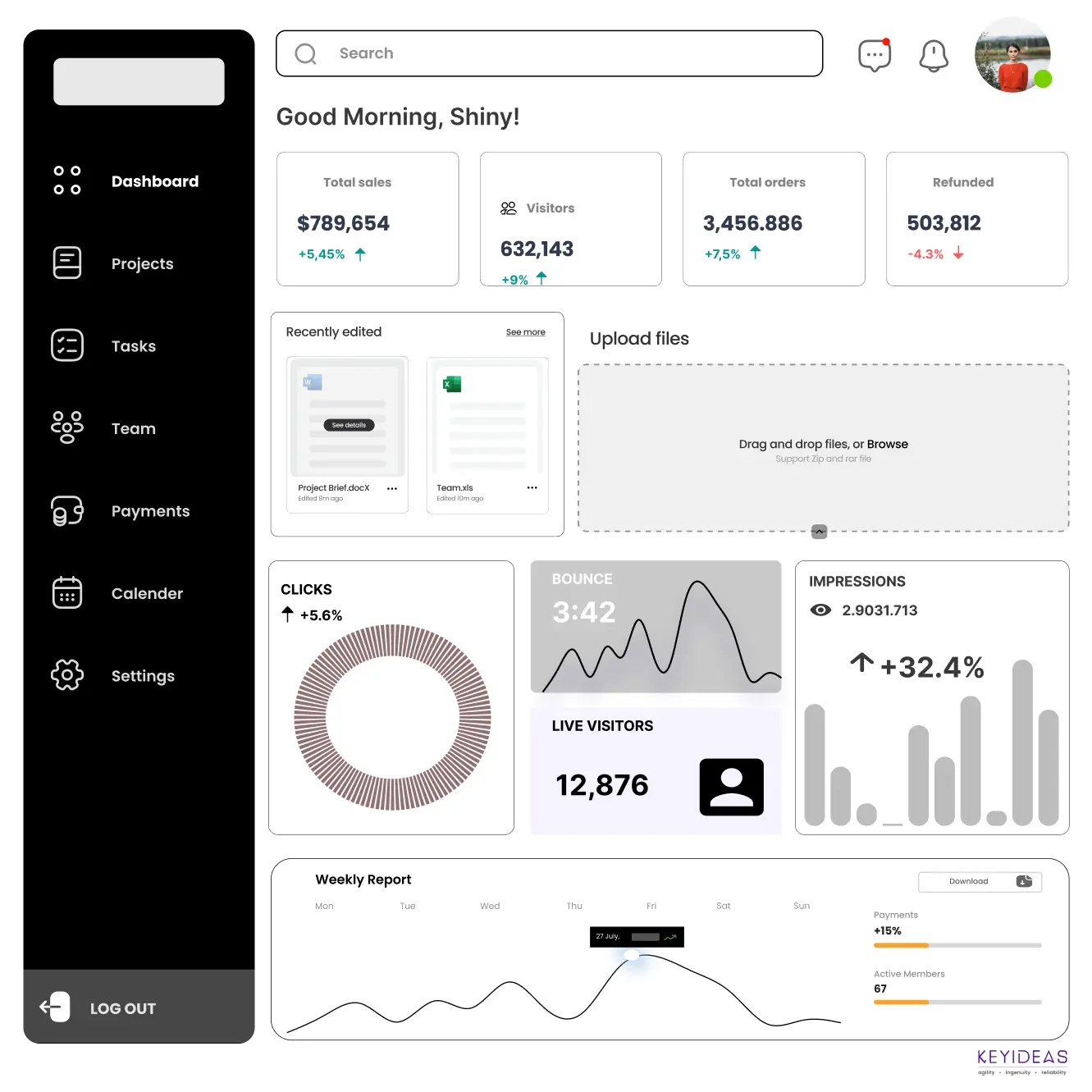
Website Live Analytics And Insights
- Real-Time User Behavior Tracking for Enhanced Engagement: Explore tools and techniques for monitoring user interactions on your website in real-time, allowing for immediate adjustments to improve the user experience.
- Data-Driven Decision Making with Live Analytics: Discuss how to leverage live analytics to inform marketing strategies, optimize content, and drive conversions by understanding visitor behavior and preferences.
eCommerce Platform Migration
- Seamless Transition Process:We ensure a smooth migration to your new eCommerce platform with minimal disruption to your business operations.
- Data Integrity and Security: Our team prioritizes the safe transfer of your data, maintaining accuracy and security throughout the migration process.
A Listing Of Ecommerce Design Firm Services
We help businesses get online so customers can book their services.
Smarter Digital Marketing Strategy Draws New Customers
We offer your business audience different offers through subscriptions, discounts, and gift cards to grow your audience spectrum and convert them into your loyal customers.
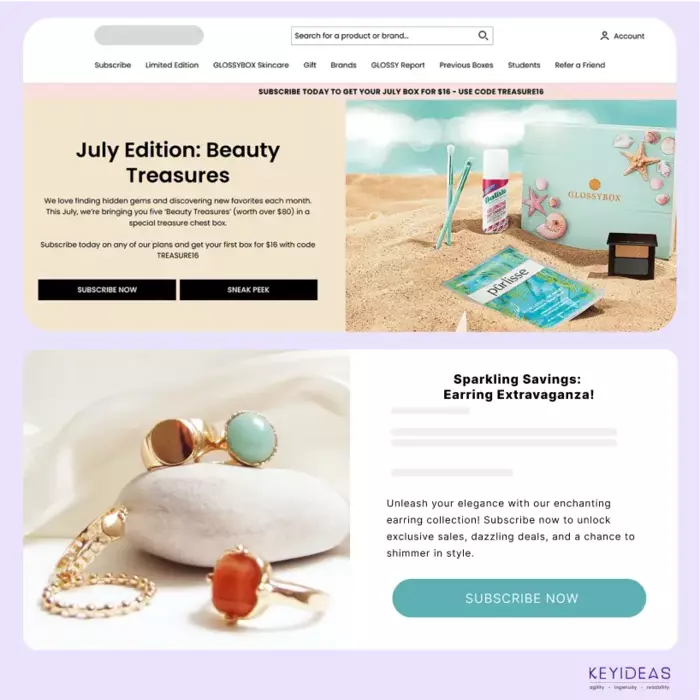
Learn how to design an effective funnel strategy from top marketers. Discover how these eCommerce experts build winning funnels from scratch.

You can sell your products on Instagram and Facebook by syncing your product catalog with Meta.
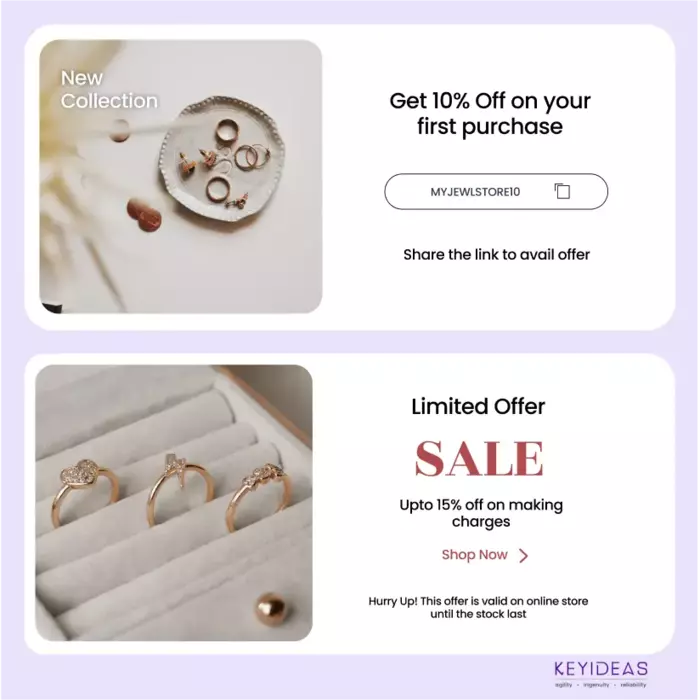
You can attract new customers to your website by offering them attractive discounts and coupons on their first purchase.

Gift cards allow you to generate revenue in advance of providing products or services and improve cash flow.
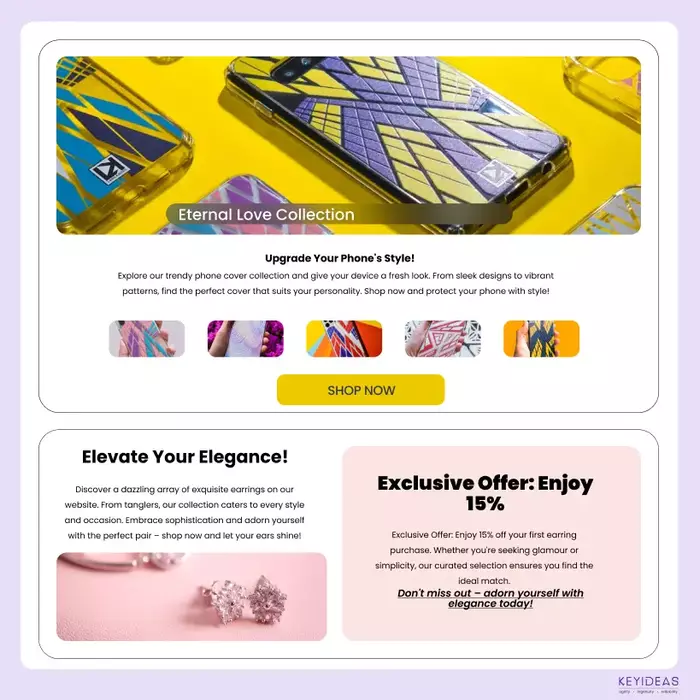
Make your business stand out by connecting with your customers through email, generating new leads, and increasing sales.
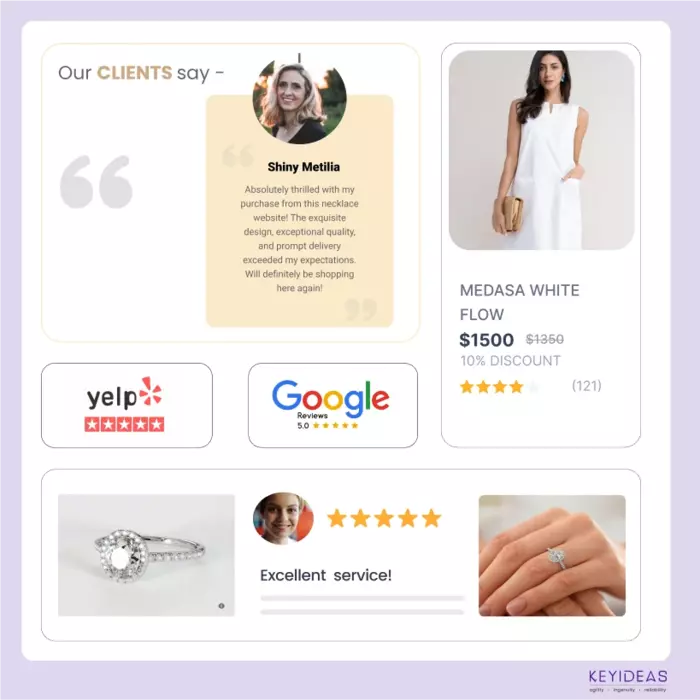
Find time to review your products and services so that you can always find new ways to grow and feature your loyal customers on your website.
OPT FOR KEYIDEAS
We Support Business Growth
We provide a guide for all of our eCommerce website platforms. Additionally, we can set up a Skype, GoTo Meeting, or Google Hangout session to train your staff on web management skills, like inventory upload, price management, and invoicing.
As a trusted agency, we pride ourselves on transforming ideas into exceptional digital experiences. Here's what our clients say about our impact on their business success
Deborah Reynolds
Fashion E-commerce, Los Angeles, USA
Jacob Turner
Electronics Store, London, UK
Emma Collins
Organic Food Brand, Brisbane, Australia
Avi Foster
Handmade Crafts, Toronto, Canada
Sheryl Bennettell
Luxury Jewelry, Dubai, UAE





Keyideas designed a custom Shopify store for us, integrating AI-powered product recommendations and a frictionless checkout experience. Their expertise in Liquid templating and UX optimization resulted in a 30% increase in conversions and enhanced customer retention.
Our AbleCommerce store needed better scalability and performance. Keyideas optimized it with custom .NET development, advanced caching, and API-driven inventory management. As a result, our page load speed improved significantly, boosting user experience and sales.
Keyideas revamped our Magento store with a fully responsive design and a one-click checkout system. Their implementation of Progressive Web Apps (PWA) and automated email marketing helped us drive higher mobile sales.
Managing our Etsy-integrated store was challenging until Keyideas built a WooCommerce site with real-time Etsy synchronization, automated order processing, and SEO-driven product pages. This led to a 45% increase in organic traffic.
Keyideas created a high-end Shopify store featuring 360-degree product views and AR integration. Their focus on user experience and mobile-first design significantly boosted customer engagement and increased our average order value.
Frequently Asked Question About Our eCommerce Site Developer
“ They were all knowledgeable, professional, understanding and simply amazing to work with...”
Review from Clutch.co
UNMATCHED PROFESSIONALISM, TAILORED FOR SUCCESS
“Manage the project smoothly, while ensuring all team members are highly skilled.”
Review from Goodfirms.co
25% FASTER PROJECT COMPLETIONS WITH HIGHLY SKILLED TEAMS
“What set them apart was their patience and ability to deal with our non-technical team.”
Review from Goodfirms.co
SIMPLIFYING PROCESSES FOR SEAMLESS TEAMWORK
“ Great experience working with them. Would definitely recommend 10/10.”
Review from Crowdreviews.com
DELIVERING EXCEPTIONAL EXPERIENCES EVERY TIME
