Your Go-To Mobile App Development Company
Create High-Quality, User-Friendly, Feature-Rich Apps. Partner with Our Passionate, Award-Winning Mobile App Development Team to Elevate Your Business.
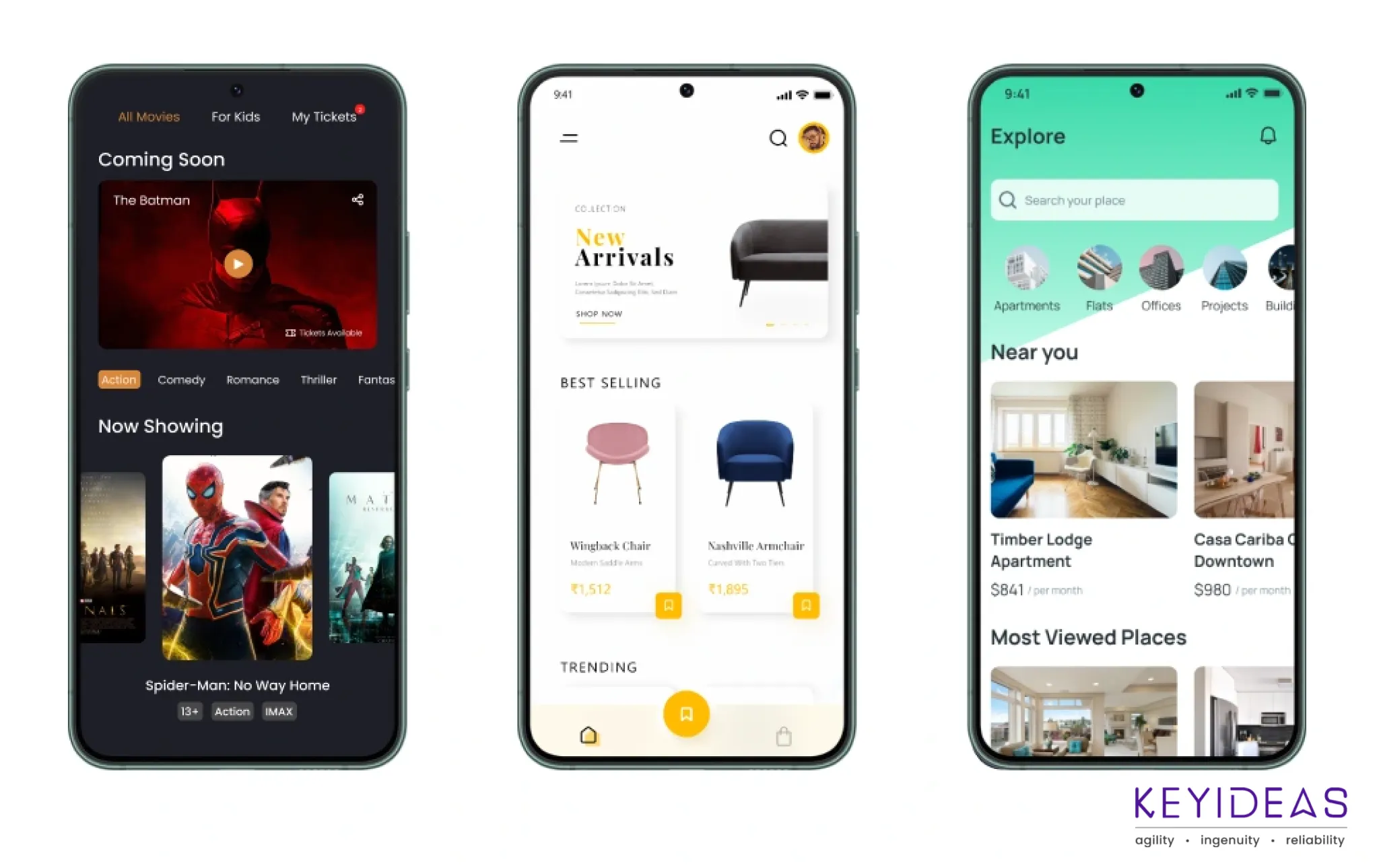
Transform Your Online Business With The Top Mobile App Development Company
We Offer mobile app development to all major platforms like Android, iOS, Windows and BlackBerry. Stay Updated With Our Modern Mobile App Development Solutions.
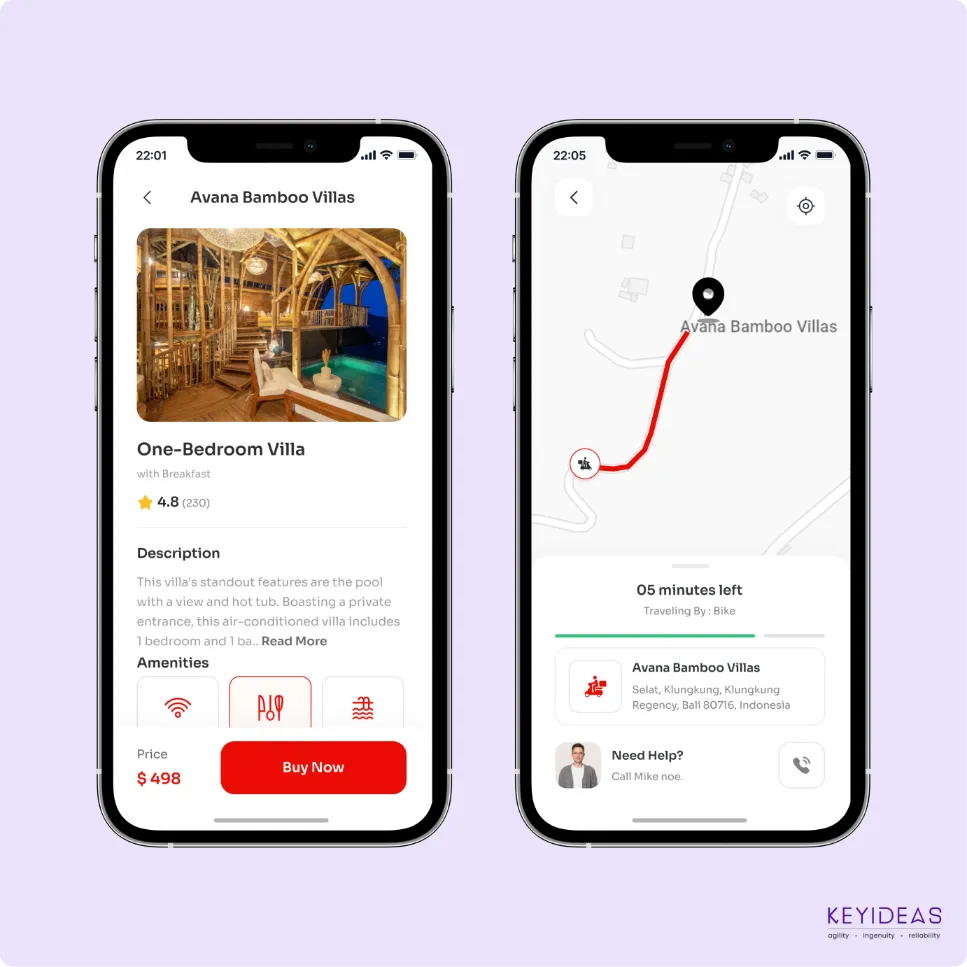
Set Your Business Apart With Our Mobile App Development Services
- Build Advanced User Friendly Solutions: Create sophisticated, intuitive, and feature-rich applications that enhance user experience and meet your business needs.
- Partner With Top Mobile App Development Company: Work with our passionate team to elevate your business. Hire our expert mobile app developers today!
Hire Mobile App Developers For Your Mobile Application Development
Rapid Client-Side Solutions Delivered Efficiently. Experience swift, comprehensive client-side development services designed for quick deployment and seamless performance.
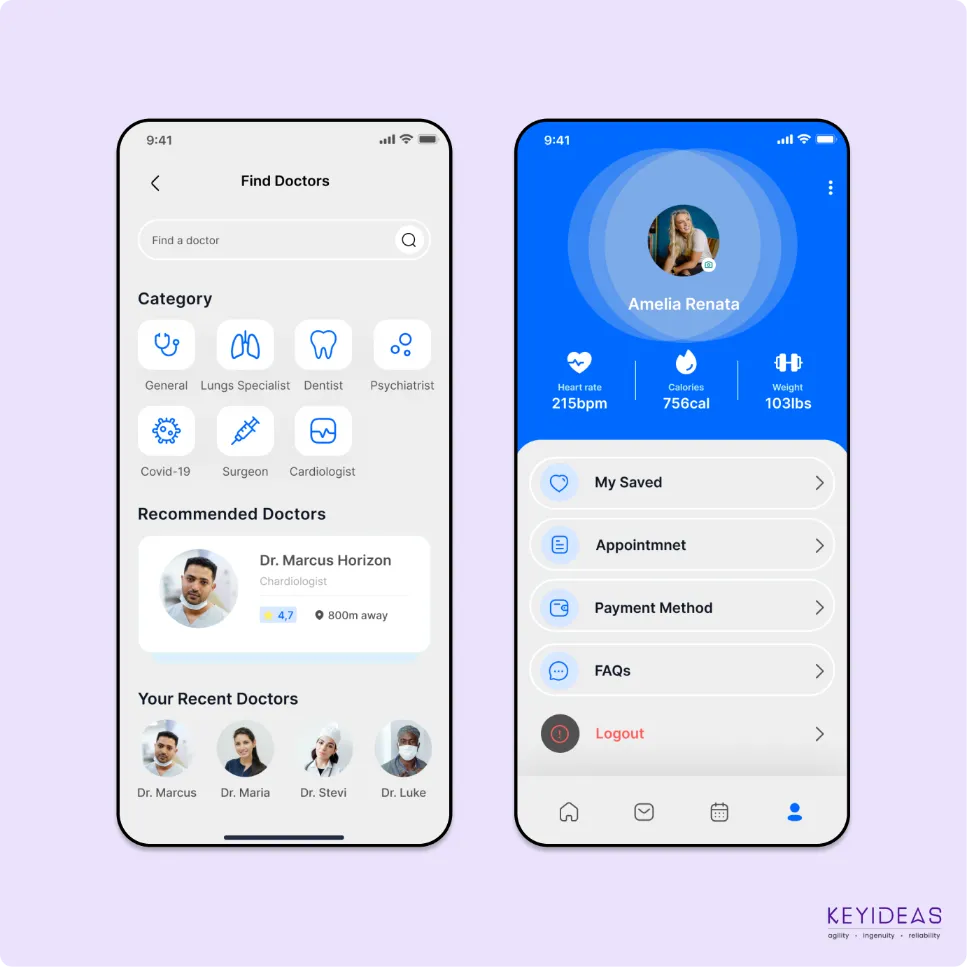
Android Application Development Services
- Quicker Development: Looking to build an app? We’ll handle everything from coding to launch, delivering a fully functional app in just a few weeks.
- Design : Easily create UI elements with an extensive icon library or custom images.
- Manage : Manage different layouts, activities, menus, and tabs.
- Test : Test Android apps across multiple devices and emulators before release.
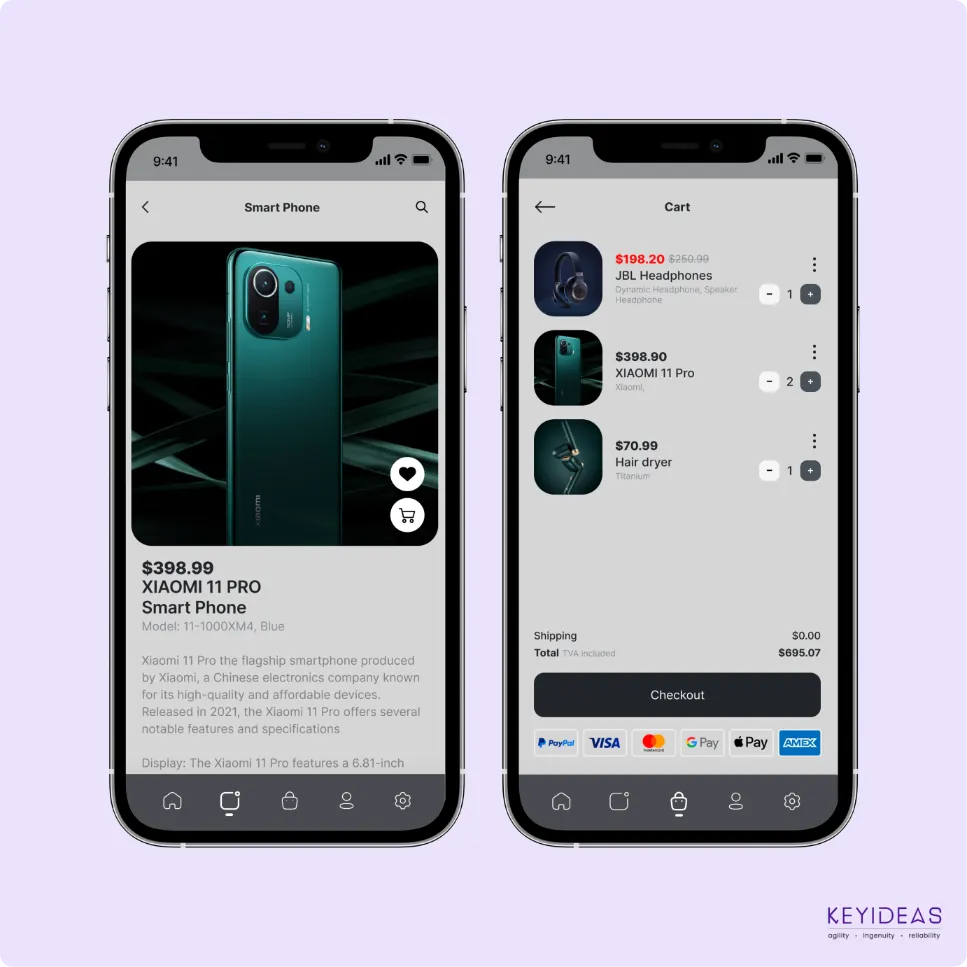
React Native App Development Services
- Cross-Platform Efficiency: Utilize React Native to build mobile apps that work seamlessly across multiple platforms.
- Rapid Prototyping: React Native enables quicker deployment of new features as needed during the development process, without starting from scratch.
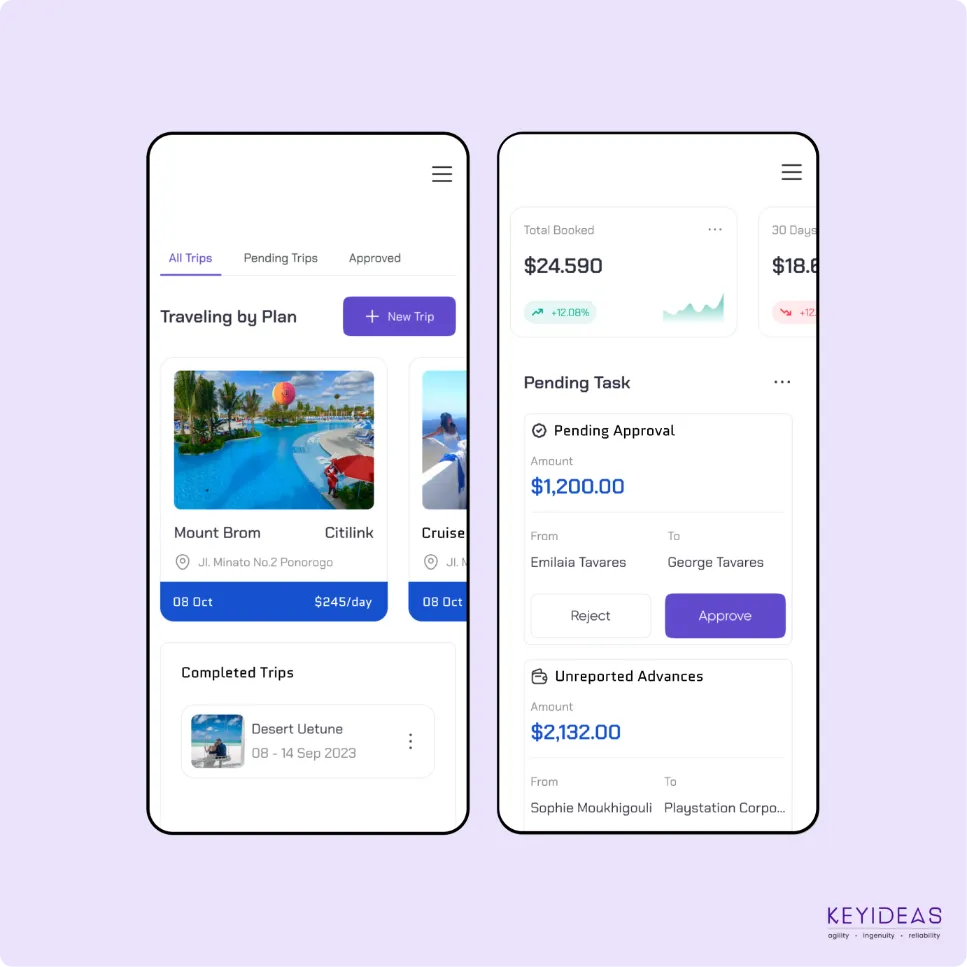
Seamless Multi-Device Compatibility
- Responsive Layouts : Develop a single adaptable app layout that fits desktops, tablets, smartphones, smartwatches, and TVs.
- Cross-Platform Power with React Native: Utilize React Native to share code across Android, iOS, and web apps, ensuring efficient development with consistent quality.
- Consistent User Experience: Maintain a unified look and feel across devices to enhance user engagement.
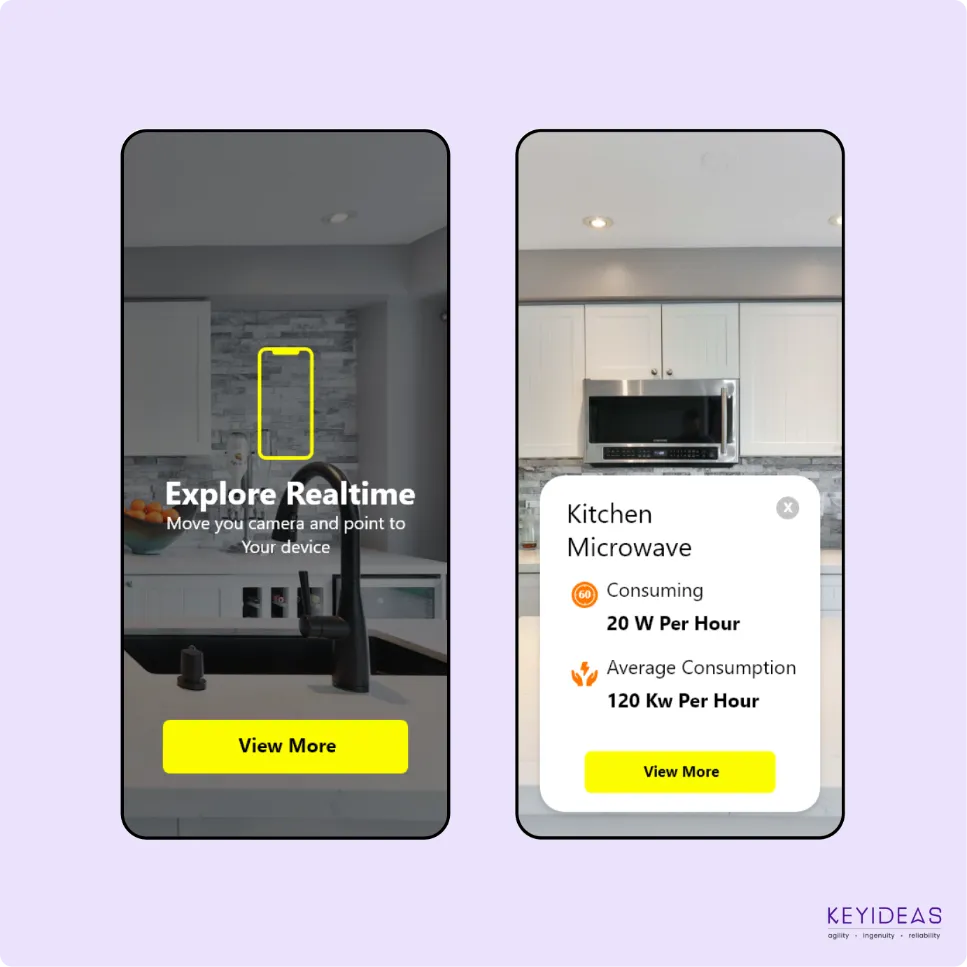
IoT Application Development Services
- Innovation: Whether you require assistance in developing mobile apps or integrating devices like drones and smart thermostats, we are here to help.
- Flexible Pricing : Enjoy hassle-free IoT and mobile application development services with no contracts and adaptable pricing options.
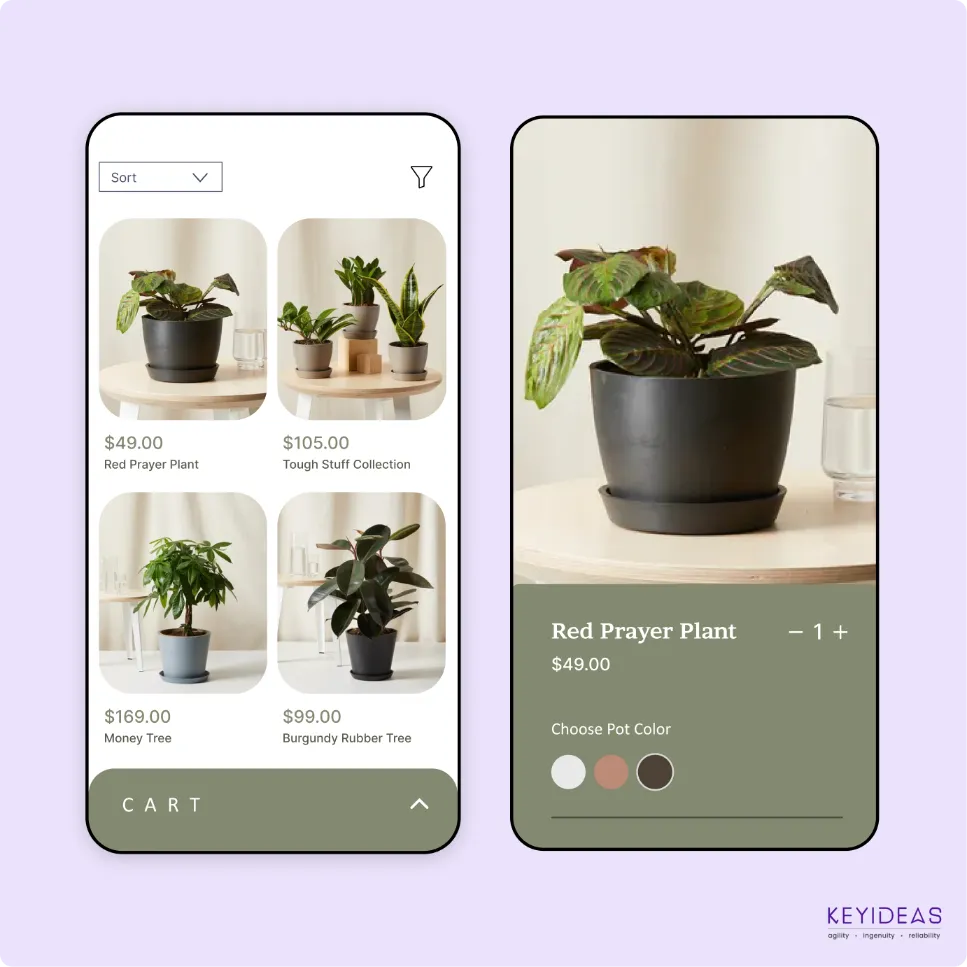
Hassle-free IoT Application Development Services
- Streamlined IoT Solutions : Our IoT Application Development services ensure your devices operate efficiently 24/7, eliminating the need for employee setup.
- Innovating Mobile App Development: As a leading mobile app development company, we are committed to bringing your vision to life in the evolving mobile landscape.
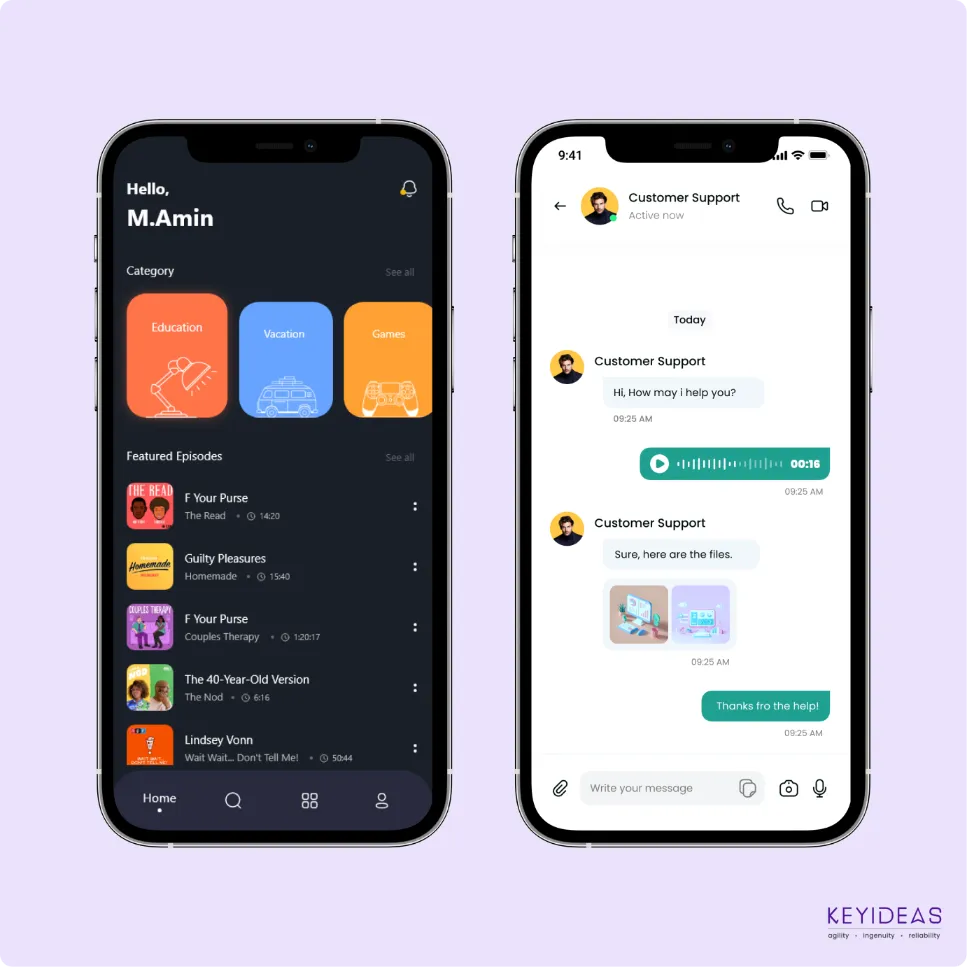
Xamarin App Development
- 100% Native Look and Feel : Utilize the Xamarin platform to achieve a native app experience with a single codebase, ensuring no compromise on UX.
- Higher ROI: Utilize Xamarin Test Cloud to optimize app performance across devices and reduce manual testing costs.
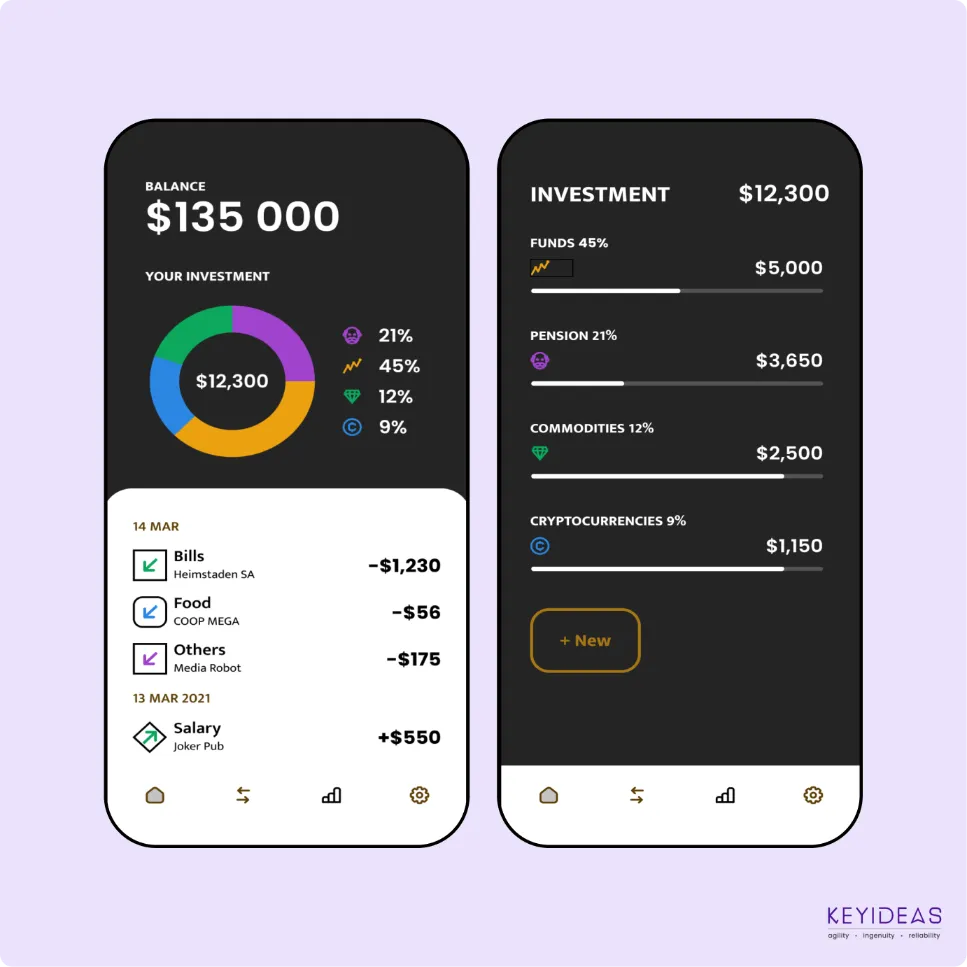
Enterprise Mobile Solutions
- Boost Productivity : Enhance global operational efficiency with instant access to enterprise resources anytime, anywhere.
- Ensured Compliance: Get peace of mind with In-built data backups, end-to-end encryption, and strong password policies.
- Drive Revenue Growth : Hire mobile app developers to maximize growth with cross-channel sales, competitive data analysis, and real-time notifications.
HIRE MOBILE APP DEVELOPERS TODAY!
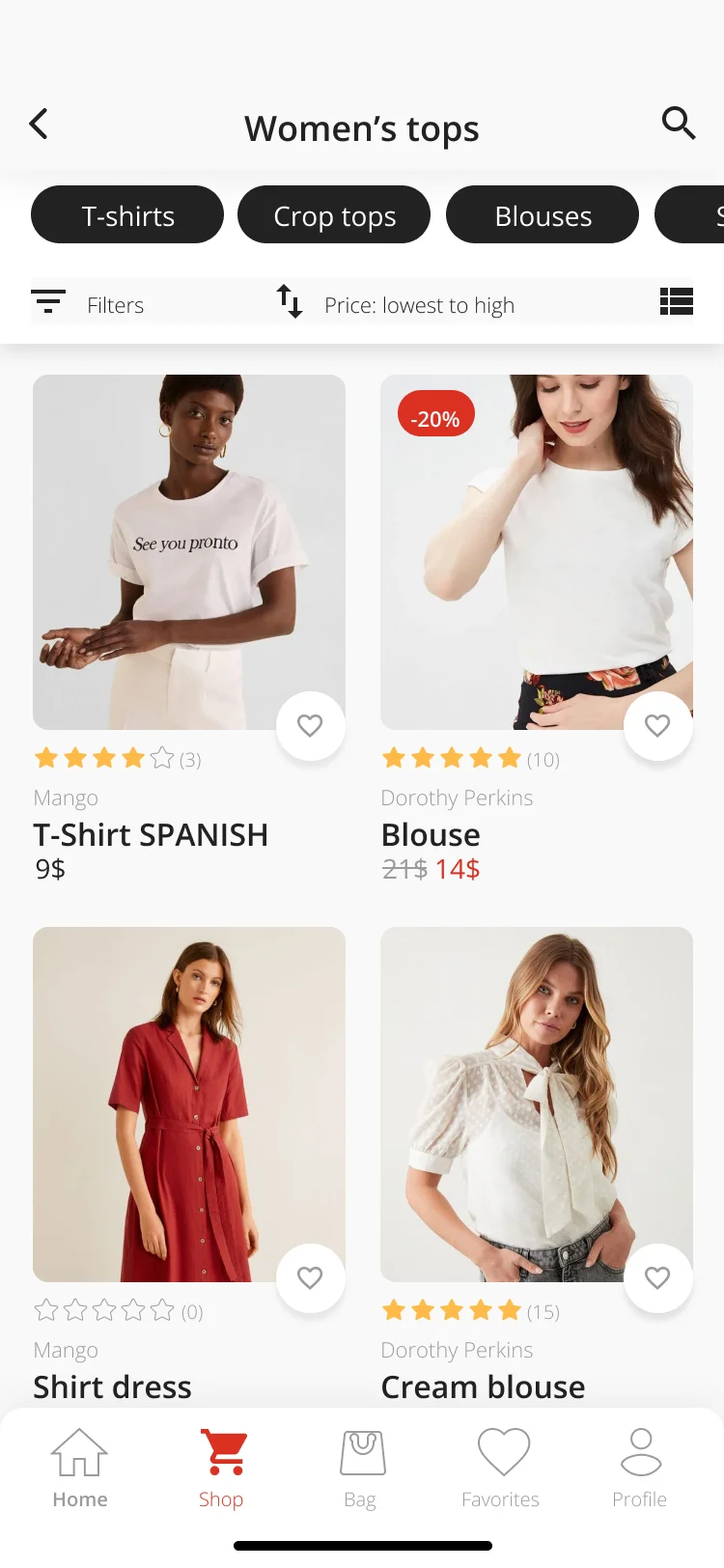
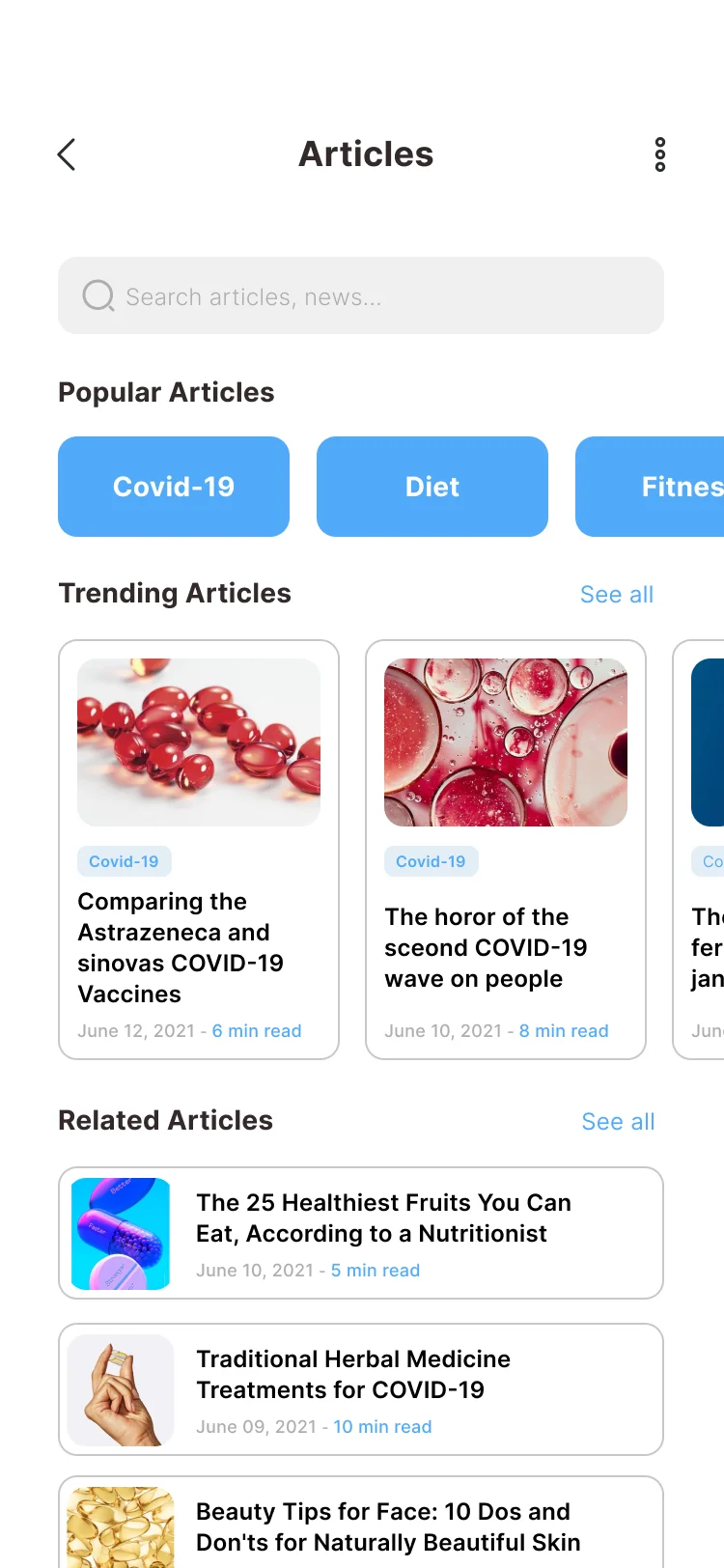
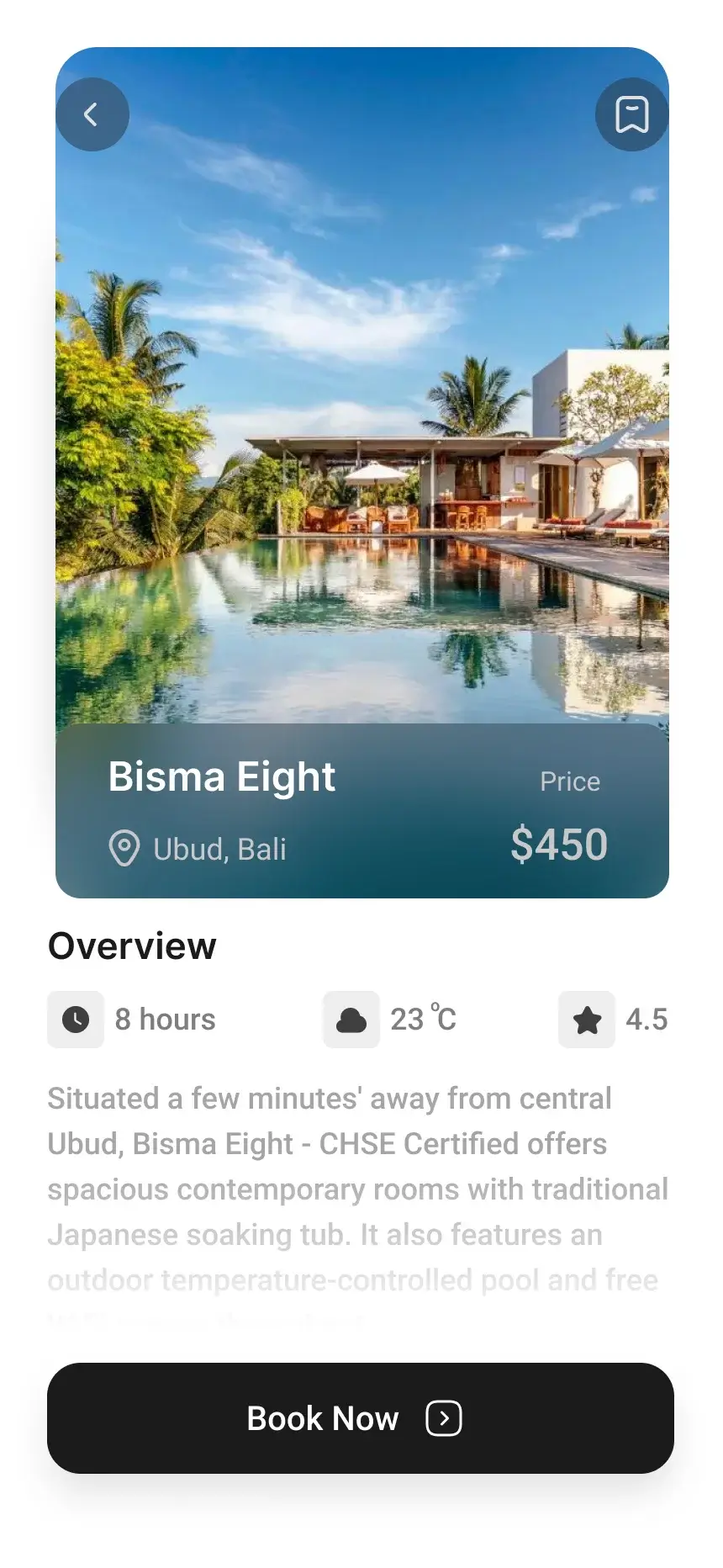
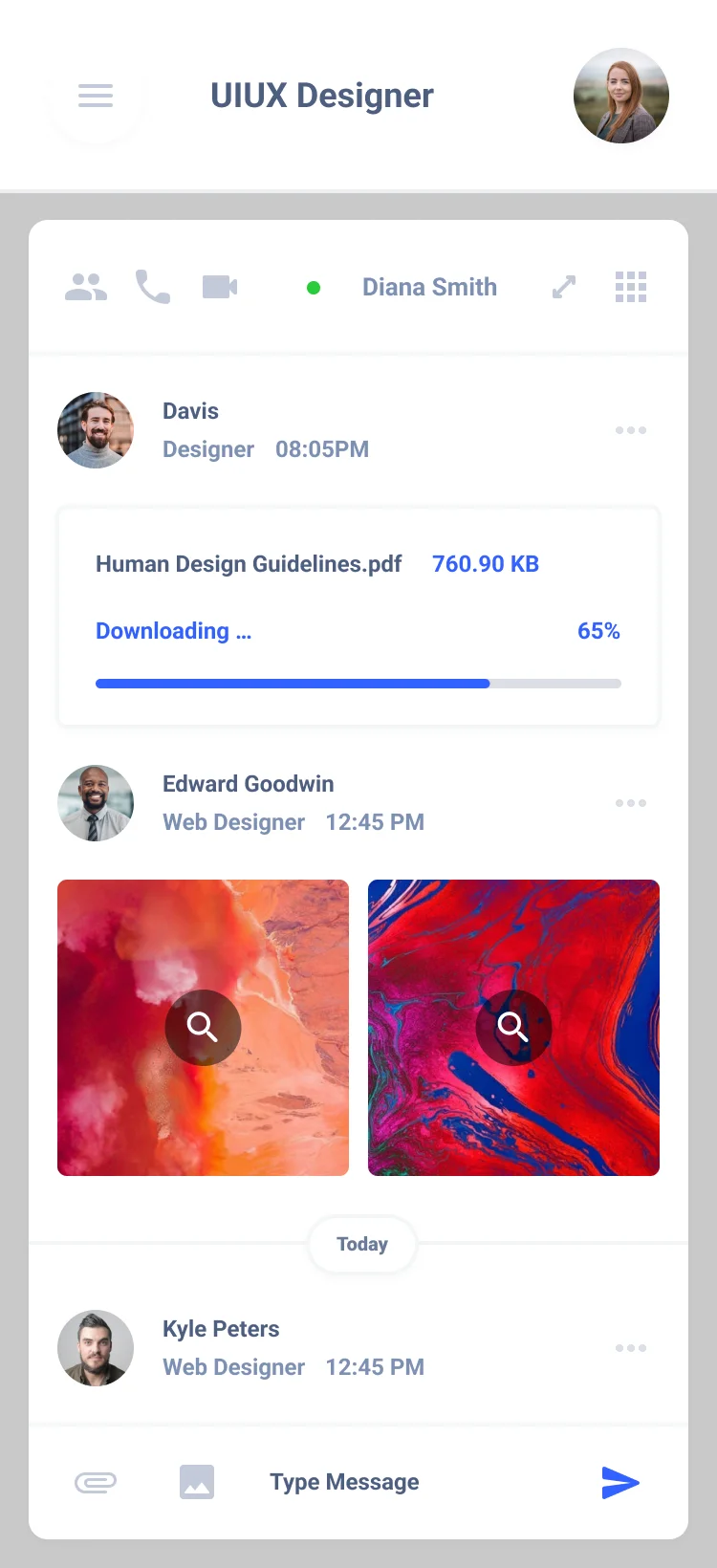
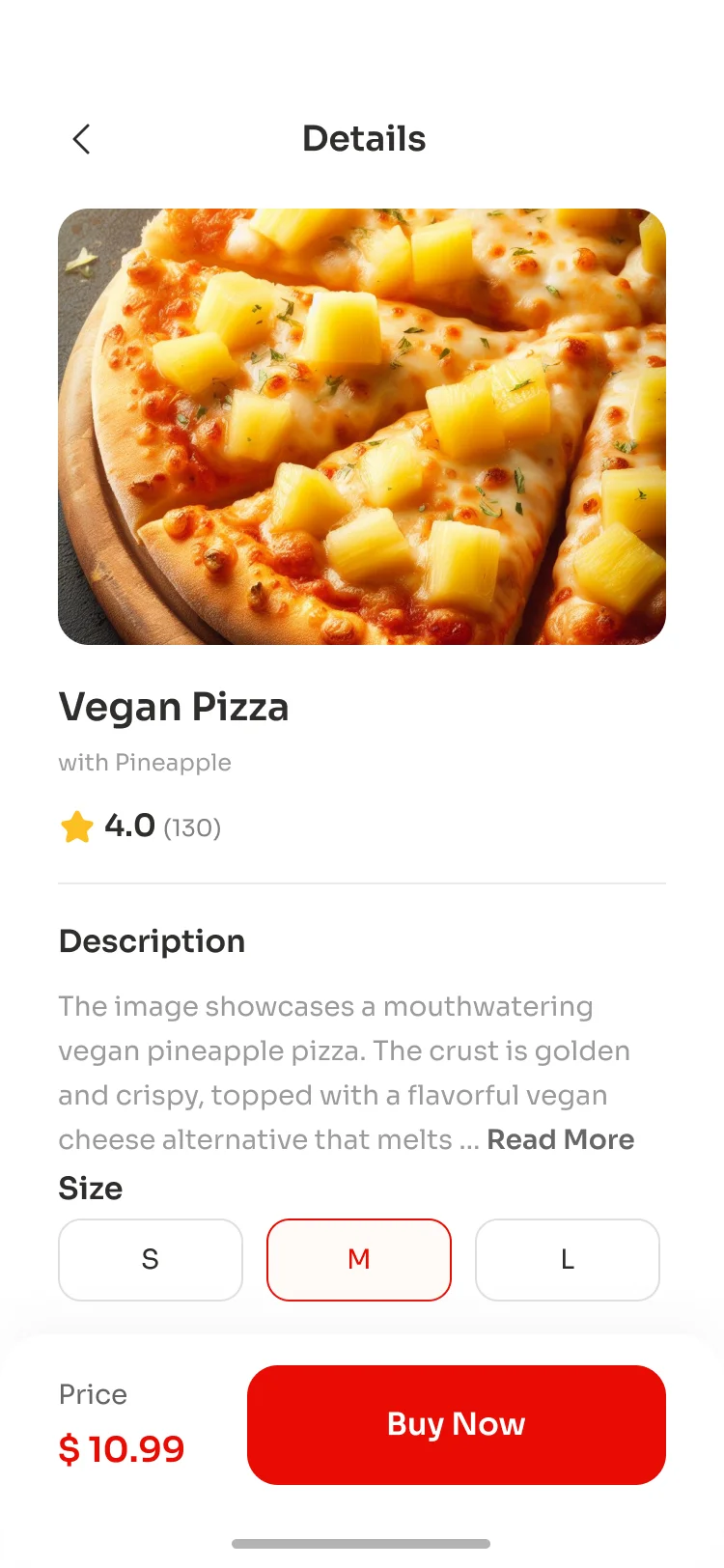
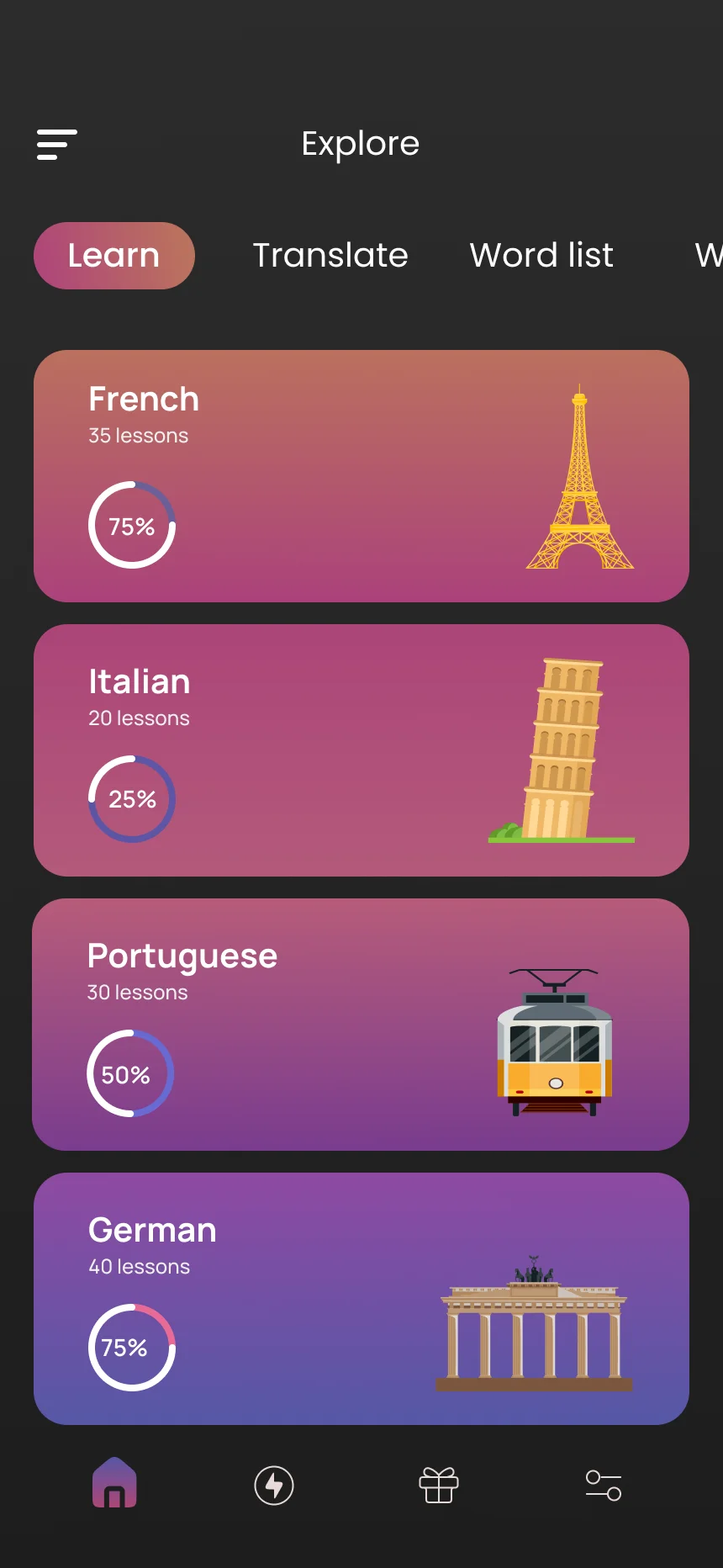
Mobile App Development Solutions for Various Industry Verticals

Why should you opt for Mobile App development
Explore the Benefits of choosing us for your mobile App development services
Rapid
Development
Quick Development Capabilities
Extensive Library
Support
Numerous Libraries And Extensions Available
Cost-Effective
Development
Reduce Development Costs
Platform
Diversity
Deliver Quality Applications
Community
Support
Vast And Active Developer Community
Mobile-Friendly
Development
Responsive Web Application
Optimised
SEO
Highly Optimised Apps For Search Engines
Integration
Capabilities
Unified Interconnected Ecosystem Of Apps
Hire Best Swift App Developers From Keyideas
Our Designers Will Make Sure Everything Looks On-Point
A leading Swift app development company – who will accelerate your app’s growth by thinking outside the box.
As a trusted agency, we pride ourselves on transforming ideas into exceptional digital experiences. Here's what our clients say about our impact on their business success
Isabella F.
Lawn Mower Website Redesign, Atlanta
Elena Grayson
Luxury Travel Booking Platform, London
Sophia Harper
Online Fitness Platform, Gold Coast
Elliot Grayson
Luxury Watch Retailer, Milan
Nora Whitaker
Sustainable Fashion Brand, London





Working with Keyideas was excellent; they redesigned our lawn mower website with interactive visuals, smart dashboards, real-time tracking, and e-commerce integration, delivering a modern, intuitive, and highly engaging user experience.
We partnered with Keyideas to refine our platform, and the results speak for themselves. They transformed our search and booking experience with stunning visuals, bold typography, and a focus-driven design that guides users effortlessly. The mobile-first approach and user-centric features, like collapsible itinerary previews, elevate both aesthetics and usability.
Working with Keyideas on our website redesign has been a great experience. They designed a platform that’s not only visually appealing but also functional, with a focus on highlighting our live classes and on-demand programs. Their use of bold hero sections, clear calls-to-action, and a calendar-based class booking interface was exactly what our users needed for an intuitive, mobile-friendly experience.
With Keyideas, we achieved a website design that speaks to our values of sustainability and transparency. They brought our brand story to life through an interactive ‘Behind the Scenes’ section and incorporated visual storytelling with infographics and videos. The ethical sourcing details and customer reviews were integrated into the product pages seamlessly, creating a transparent and engaging user experience.
Designing a website that reflects our values was key, and Keyideas nailed it. Their integration of interactive storytelling, featuring videos and infographics about our sustainable practices, made our message clear and engaging. The product pages, emphasizing transparency and ethical sourcing, are optimized for an immersive and informative experience.
FAQ About Mobile App Development Company
“ They were all knowledgeable, professional, understanding and simply amazing to work with...”
Review from Clutch.co
UNMATCHED PROFESSIONALISM, TAILORED FOR SUCCESS
“Manage the project smoothly, while ensuring all team members are highly skilled.”
Review from Goodfirms.co
25% FASTER PROJECT COMPLETIONS WITH HIGHLY SKILLED TEAMS
“What set them apart was their patience and ability to deal with our non-technical team.”
Review from Goodfirms.co
SIMPLIFYING PROCESSES FOR SEAMLESS TEAMWORK
“ Great experience working with them. Would definitely recommend 10/10.”
Review from Crowdreviews.com
DELIVERING EXCEPTIONAL EXPERIENCES EVERY TIME
