Mental Health and Behavioral Health Website Platform
A reminder text that names the clinic on a shared phone can stop a person from booking. We build reminders that say nothing the patient did not choose.
Contact UsAn Overview of Our Mental and Behavioral Health Technology Services
Below is an overview of the key areas we cover when building technology for mental health practices, psychiatrists, therapy and counseling practices, addiction treatment centers, rehabilitation centers, and recovery programs, explained in more detail below.
- Mental Health and Behavioral Health Website Design
- Psychiatrist Websites and Medication Management Visits
- Therapy and Counseling Practice Websites
- Addiction Treatment and Rehabilitation Center Websites
- Recovery Programs and Substance-Use Treatment Program Discovery
- Therapist and Psychiatrist Profiles and Matching
- Confidential Appointment Booking
- Patient Intake and Behavioral Assessments
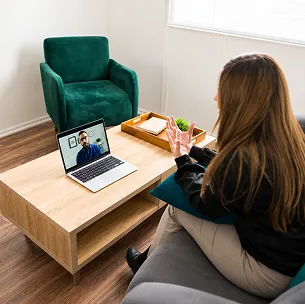
- Teletherapy and Virtual Psychiatry
- Behavioral Health Patient Portals and Secure Communication
- Insurance Verification, Payment Information, and Admissions
- Behavioral Health CRM, Engagement, and Aftercare Programs
- Care Plans, Progress Tracking, and Group Therapy
- Privacy, Crisis Safeguards, and Behavioral Health Analytics

Jennifer Schulz
Lyra Health
Our behavioral health website needed to feel supportive while clearly explaining different care options. Keyideas improved the content hierarchy and created a more approachable patient journey.

Kate Newhouse
Kooth
Our mental health website needed to communicate sensitive services without overwhelming visitors. Keyideas created clearer navigation and a calmer digital experience that made resources easier to discover.
Benchmarked Against Leading Behavioral Health Platforms
We measure every engagement against the inquiry response time, confidentiality, and client engagement standards of the strongest behavioral health providers worldwide today.
Behavioral Health Platforms We Have Delivered
Explore behavioral health technology projects from practices and treatment centers around the world, each one reflecting careful confidentiality and client experience design.







The Behavioral Health Platforms and Tools We Use
Behavioral health technology only works when grounded in real expertise across confidentiality, screening and safety protocols, teletherapy, and treatment admissions.
We Build On
We Migrate From
Core Mental and Behavioral Health Technology Capabilities We Deliver
From behavioral health website design to privacy and crisis safeguards, these fourteen capabilities cover mental and behavioral health technology end to end.
Mental Health and Behavioral Health Website Design
A Calm, Welcoming Design With Services, Approaches, Insurance, and What a First Session Looks Like, and Crisis Resources Visible on Every Page
People Taking the First Step Feeling Welcome and Informed
Not a Clinical Site That Makes a Frightened Person Feel Processed
Reaching out for mental health care is a vulnerable step, and a website that feels clinical, hides what a first session involves, or buries crisis resources discourages the people who most need help. We build mental health and behavioral health website design with a calm, welcoming design, plain-language descriptions of services and approaches, what a first appointment looks like, accepted insurance and fees, practitioner introductions, accessibility, and crisis resources such as regional crisis lines visible on every page, so people feel welcome and informed as they take the first step.
Psychiatrist Websites and Medication Management Visits
Initial Evaluations and Medication Management Follow-Ups Booked Separately, With Refill Requests Routed to the Prescriber and Waitlists Managed
Patients Booking the Right Visit and Refilling Safely
Not a Psychiatry Practice Where Every Visit Starts With a Phone Call
Psychiatric care involves longer initial evaluations and shorter medication management follow-ups, ongoing prescriptions, and often waitlists, and a practice website that treats every visit the same creates confusion. We build psychiatrist websites with separate booking for initial evaluations and medication management visits, waitlist management, refill request workflows routed to the prescriber, pharmacy information, intake and symptom questionnaires completed before the first visit, telepsychiatry options, and clear communication of what a psychiatrist can and cannot do compared with a therapist, with prescribing decisions remaining with the psychiatrist.
Therapy and Counseling Practice Websites
Specialties and Approaches Such as CBT and EMDR Explained in Plain Language, With Fees, Sliding Scale Information, and Brief Free Consultation Calls
Clients Finding a Therapist Who Fits Their Needs and Budget
Not a Therapy Site That Lists Credentials but Not Who the Therapist Helps
People looking for a therapist want to know who the therapist helps, how they work, what sessions cost, and whether they will feel comfortable, and a site that lists only credentials leaves them guessing. We build therapy and counseling practice websites with specialties such as anxiety, trauma, couples, and family therapy, descriptions of approaches such as CBT and EMDR in plain language, session formats and fees, sliding scale and insurance information, brief free consultation booking, group practice directories, and resources for clients between sessions, so clients can find a therapist who fits.
Addiction Treatment and Rehabilitation Center Websites
Levels of Care From Detox to Outpatient Explained, With Admissions Contact Available at Any Hour, Insurance Verification Requests, and Facility Tours
Families and Individuals Understanding Treatment Options at a Moment of Crisis
Not a Rehab Site That Makes the Admissions Process a Mystery
Someone looking for addiction treatment, or a family looking on their behalf, is often in crisis, and they need to understand levels of care, what a day looks like, how admission works, and whether insurance will cover it, quickly and at any hour. We build addiction treatment and rehabilitation center websites with levels of care from detox to residential, partial hospitalization, and outpatient explained, facility information and virtual tours, admissions contact available at all hours, insurance verification requests, family information, and ethical marketing that follows platform and professional rules, with clinical admission decisions remaining with the treatment team.
Recovery Programs and Substance-Use Treatment Program Discovery
A Program Finder Matching Level of Care, Specialty, Length of Stay, and Insurance, With Recovery and Aftercare Support Described Clearly
People Finding the Right Program Instead of the First One They Called
Not a Directory of Programs That Cannot Say Which One Fits
Treatment programs differ widely, and a person or family choosing among them needs to compare level of care, approach, length, cost, and support, which a list of programs cannot do. We build recovery program and substance-use treatment program discovery with filters for level of care, program type, specialties such as dual diagnosis, length of stay, insurance accepted, and location, comparison of programs, explanation of treatment approaches including medication-assisted treatment where offered, recovery and alumni program information, and a confidential inquiry form, so people find a program that fits, without promising outcomes.
Therapist and Psychiatrist Profiles and Matching
Profiles in the Clinician’s Own Voice With Specialties and Populations Served, and a Matching Questionnaire That Suggests Clinicians Who Fit
Clients Finding a Clinician They Feel Comfortable With
Not a Clinician Roster Ordered by Whoever Joined First
Fit between client and clinician strongly influences whether therapy works, and a roster of names and photos gives a client little to go on. We build therapist and psychiatrist profiles with the clinician’s own introduction, specialties, populations served, approach, languages, availability, and fees, a short matching questionnaire that suggests clinicians based on the client’s stated needs and preferences, intro video options, availability shown on each profile, and easy rebooking with another clinician if the first is not a fit, so clients find a clinician they feel comfortable with.
Confidential Appointment Booking
Discreet Reminders That Do Not Name the Practice or Visit Type, Preferred Names, and a Choice of Contact Method and Times
Patients Booking Without Worrying Who Might See a Message
Not a Reminder Text That Names the Clinic on a Shared Phone
A person who has not told their family they are in therapy can be exposed by a reminder text that names the practice, and fear of that exposure stops some people from booking. We build confidential appointment booking with discreet reminder messages that do not name the practice or visit type unless the patient chooses, preferred name fields, choice of contact method and times, secure booking links, waitlist and cancellation handling, reminders for telehealth links, and quick rescheduling, so patients can book without worrying who might see a message.
Patient Intake and Behavioral Assessments
Intake Questionnaires and Screening Tools Completed Before the First Session, With Answers Indicating Safety Concerns Routed for Prompt Clinician Review
Clinicians Starting With the Full Picture and Safety Concerns Seen Immediately
Not a Safety Concern Hidden in a Form Nobody Opened Until the Visit
Behavioral health intake involves sensitive history and screening questionnaires, and an answer that signals risk should reach a clinician right away, not sit in a form until the appointment. We build patient intake and behavioral assessments with intake forms, validated screening tools the practice selects, consent and releases of information, scoring with results delivered to the clinician, flags for answers that indicate safety concerns routed for prompt clinician review under the practice’s crisis protocol, and progress reassessments over time, with clinical interpretation remaining with licensed clinicians.
Teletherapy and Virtual Psychiatry
Secure Video Sessions on Any Device, With a Privacy Check, Client Location and Emergency Contact Captured, and a Backup Phone Option
Clients Receiving Care From a Private Place of Their Choosing
Not a Session Dropped Because the Video Link Did Not Work
Teletherapy lets people attend sessions from home, but clients need a private space, a link that works, and a plan if the connection fails or if they are in distress, and clinicians must know where the client is. We build teletherapy and virtual psychiatry with secure browser-based video, a pre-session check of device and privacy, client location and emergency contact capture, backup phone options, group session rooms, visit notes filed to the record, and licensure checks by client location, with licensure and clinical rules remaining the practice’s responsibility.
Behavioral Health Patient Portals and Secure Communication
Appointments, Forms, Payments, and Encrypted Messages in One Portal, With Response Expectations Set and Urgent Needs Directed to Crisis Support
Clients Staying Connected Between Sessions Safely
Not Therapy Content Discussed by Unencrypted Text Message
Clients and clinicians message between sessions, and doing so by text or email is insecure and blurs boundaries, while a portal message sent in distress may not be read until the next day. We build behavioral health patient portals and secure communication with encrypted messaging, clear response time expectations, messaging boundaries the practice sets, crisis support information shown in the messaging area, appointment and form management, statements and payment, consent tracking for family involvement, and release of information tracking, so communication is secure and expectations are clear.
Insurance Verification, Payment Information, and Admissions
Benefits Verified Before the First Session or Admission, Out-of-Pocket Costs Explained, and Superbills and Payment Plans for Out-of-Network Clients
Clients Knowing the Cost of Care Before They Start
Not an Admissions Call Delayed Because Benefits Were Unknown
Cost is a major barrier to mental health and addiction treatment, and a client or family who cannot learn quickly whether insurance covers care may give up, while admissions teams lose time verifying benefits by phone. We build insurance verification, payment information, and admissions workflows with benefit verification requests for therapy, psychiatry, and treatment programs, explanation of copays and out-of-pocket costs, superbills for out-of-network clients, payment plans, sliding scale applications, prior authorization tracking, and admissions checklists for treatment centers, with coverage determinations remaining with the insurer.
Behavioral Health CRM, Engagement, and Aftercare Programs
Inquiry Follow-Up Within Minutes, Check-Ins After Missed Sessions, and Alumni and Aftercare Programs That Keep People Connected After Treatment
People Supported Before, During, and After Care
Not a Discharged Patient Never Contacted Again
Inquiries to behavioral health providers are time-sensitive, because a person who reaches out and hears nothing for days may not try again, and recovery depends on support after treatment ends. We build behavioral health CRM and engagement with immediate inquiry acknowledgment and rapid follow-up, check-in messages after missed sessions, aftercare plans and reminders, alumni programs and events for treatment centers, family communication with consent, referral source tracking for providers, and respectful, consent-based messaging, so people are supported before, during, and after care.
Care Plans, Progress Tracking, and Group Therapy
Treatment Goals Shared With the Client, Measures Tracked Over Time, and Group Sessions Scheduled With Capacity and Participant Privacy
Clients Seeing Their Progress and Staying Engaged in Treatment
Not a Treatment Plan Written Once and Never Revisited
Clients stay engaged when they can see the goals they are working toward and how they are progressing, and a treatment plan filed in a chart is never looked at again. We build care plan and progress tracking with treatment goals set with the client, symptom and wellbeing measures tracked over time, homework and between-session exercises, progress views for the client and clinician, and group therapy and support group scheduling with capacity, attendance, and participant privacy controls, so clients and clinicians both see how treatment is going, with clinical plans remaining under the clinician’s direction.
Privacy, Crisis Safeguards, and Behavioral Health Analytics
Strict Access Controls and Audit Logs for Sensitive Records, Crisis Escalation Built Into Every Touchpoint, and Analytics on Access, Attendance, and Outcomes
Sensitive Information Protected and Safety Concerns Never Missed
Not an AI Chatbot Counseling Someone in Crisis
Behavioral health records are among the most sensitive, with substance use treatment records often subject to additional confidentiality rules, and any digital touchpoint may meet a person in crisis. We build behavioral health privacy, crisis safeguards, and analytics with role-based access, audit trails, consent and release management, crisis resources and escalation protocols the practice defines at every touchpoint, AI features limited to administrative help that hand off any mention of self-harm to humans and crisis support, and analytics on access times, attendance, retention, and outcome measures, with confidentiality and clinical safety obligations remaining the provider’s responsibility.
How We Collaborate With Our Clients
We work as an extension of your team, with clear milestones, regular updates, and direct access to your project lead.
Management
Plan tasks, timelines, and project resources efficiently.

Build scalable solutions with clean and secure code.
Monitor performance, fix issues, and manage updates.

Create wireframes, UI designs, and interactive prototypes.

Conduct meetings and discussions to stay aligned.

Frequently Asked Questions About Mental and Behavioral Health Technology
Questions practice owners, clinical directors, and treatment center leaders most commonly ask before choosing Keyideas for a project.
Have a question or need support? Our team is here to help and will get back to you within one business day.
- 100% confidential
- NDA available
- Same-day response