Hospital and Healthcare System Website Development
A patient who drives to a clinic that does not offer the service they need blames the hospital, not the map. We show which site offers what.
Contact UsAn Overview of Our Hospital and Healthcare Technology Services
Below is an overview of the key areas we cover when building technology for hospitals, healthcare systems, medical centers, multi-specialty hospitals, outpatient care centers, urgent care centers, and hospice care, explained in more detail below.
- Hospital and Healthcare System Website Design
- Doctor Directories and Find-a-Provider Search
- Facility and Service Directories and Location Finders
- Online Appointment Booking and Unified Patient Access
- Patient Registration, Check-In, and Billing and Payment Information
- Urgent Care Center Websites and Wait-Time Check-In
- Outpatient Care Center Scheduling and Referral Intake
- Hospice Care Websites and Family Communication
- Patient Education and Care Information
- Multi-Location Healthcare Websites and Healthcare Network Management
- Hospital Patient Portals and Care Coordination
- Hospital CRM, Patient Engagement, and Referral Management
- AI Patient Assistants and Hospital Operations Intelligence
- Hospital Security, Accessibility, and Multilingual Patient Experiences
Benchmarked Against Leading Hospital and Health System Platforms
We measure every engagement against the online booking rate, patient access, and referral retention standards of the strongest health systems worldwide today.
Hospital and Healthcare Platforms We Have Delivered
Explore hospital and health system technology projects from providers around the world, each one reflecting careful patient access and security design.
The Hospital and Healthcare Platforms and Tools We Use
Hospital technology only works when grounded in real expertise across scheduling systems, provider data, patient access, and protected health information.
We Build On
We Migrate From
Core Hospital and Healthcare Technology Capabilities We Deliver
From hospital website design to security and accessibility, these fourteen capabilities cover hospital and healthcare technology end to end.
Hospital and Healthcare System Website Design
Service Line Hubs for Hospitals, Medical Centers, and Multi-Specialty Care, With One Brand Across Every Campus and Clinic
Patients and Referring Doctors Finding the Right Service Quickly
Not a Site Where Every Department Builds Its Own Pages
A hospital or health system website serves patients, families, referring doctors, and job seekers, and when each department builds its own pages, the site becomes inconsistent and impossible to navigate. We build hospital website design for hospitals, healthcare systems, medical centers, and multi-specialty hospitals with service line hubs, shared templates with department-level editing, clinical content reviewed by named clinicians, emergency and urgent information in a fixed place, patient and visitor information, and a design that scales across campuses, so patients and referring doctors find the right service quickly.
Doctor Directories and Find-a-Provider Search
Search by Specialty, Condition, Language, Insurance, and Location, Showing Who Is Accepting New Patients and Linking Straight to Booking
Patients Choosing a Doctor With the Facts They Need
Not a Directory Listing Names Without Saying Who Is Taking New Patients
Choosing a doctor is the most common reason someone visits a health system website, and a directory that lists names without conditions treated, languages spoken, insurance accepted, or availability sends the patient to the phone. We build doctor directories and find-a-provider search that pull from credentialing and scheduling data, filter by specialty, condition, language, insurance, location, and gender, show profiles, education, and board certification as the organization provides, indicate who is accepting new patients, and link to booking, so patients can find and book the right doctor online.
Facility and Service Directories and Location Finders
Locations on a Map With Hours, the Services Offered at Each, Parking and Wayfinding, and Wait Times Where Available
Patients Finding the Right Site for the Care They Need
Not an Address List That Never Says Which Clinic Offers Which Service
A health system may have a main hospital, outpatient clinics, imaging centers, and urgent care sites, each offering different services at different hours, and a patient driving to a clinic that does not offer the service they need has a bad experience. We build facility and service directories and location finders with a map and list view, services offered at each location, hours and holiday closures, parking and wayfinding instructions, accessibility information, directions, and wait times or capacity indicators where the organization supplies them, so patients find the right site on the first try.
Online Appointment Booking and Unified Patient Access
One Booking Path Across Departments and Locations, Reading Live Availability With Rules for Visit Type, Referral, and Provider
Patients Booking Care Online Instead of Joining a Phone Queue
Not a Request Form Answered by Phone Two Days Later
Patients expect to book online, but hospital scheduling is complicated by visit types, referrals, provider preferences, and department rules, and a form that merely sends a request creates a callback queue. We build online appointment booking and unified patient access that read live availability from the scheduling system, apply rules for visit type, referral requirements, new versus returning patients, and provider, support primary care, specialist, imaging, and lab bookings, offer reminders and rescheduling, and route requests the rules cannot resolve to staff, so booking is genuinely self-service.
Patient Registration, Check-In, and Billing and Payment Information
Pre-Registration With Insurance and ID Capture, Contactless Check-In on Arrival, and Clear Billing Information Before and After the Visit
Patients Arriving Registered and Understanding What They Will Owe
Not a Clipboard of Forms Filled Out in the Waiting Room
Registration on arrival delays visits and produces errors from forms filled out in a hurry, and unexpected bills are among patients’ biggest frustrations. We build digital patient registration and check-in with pre-registration that captures demographics, insurance, and consent, ID and insurance card capture, contactless check-in by phone or kiosk, billing and payment information including payment options and financial assistance details the hospital provides, online bill pay, and payment plans, so patients arrive ready and understand their costs, with billing and price transparency rules remaining the hospital’s responsibility.
Urgent Care Center Websites and Wait-Time Check-In
Live Wait Times, Online Check-In to Hold a Place in Line, and Conditions Treated and Pricing Shown Before the Visit
Patients Choosing Urgent Care Without Sitting in a Waiting Room
Not a Waiting Room Full of People Who Could Have Waited at Home
Urgent care patients decide quickly, and they choose the center that shows wait times, lets them hold a place, and states whether it treats their problem. We build urgent care center websites with live wait times where the center supplies them, online check-in that holds a place in line and texts when the patient is called, walk-in and scheduled options, lists of conditions treated and services such as x-ray and testing, pricing and insurance information, and clear guidance on when to go to an emergency department instead, so patients choose well and waiting rooms stay manageable.
Outpatient Care Center Scheduling and Referral Intake
Scheduling by Procedure and Equipment, With Preparation Instructions, Referral Intake From Doctors, and Same-Day Reminders
Outpatient Visits That Start Prepared and Run on Time
Not a Procedure Patient Who Arrives Without Knowing the Preparation
Outpatient and ambulatory centers perform procedures, imaging, and therapy that require preparation, referrals, and timing, and a patient who misunderstands the instructions arrives unprepared and must reschedule. We build outpatient care center websites and workflows with scheduling by procedure and equipment, referral intake from referring doctors with status shown to them, preparation instructions and reminders by procedure, pre-visit questionnaires and consent forms, transportation and arrival guidance, post-visit instructions, and results delivery through the portal, so visits start prepared and run on time.
Hospice Care Websites and Family Communication
Referral and Admission Information, Care Team Introductions, and a Family Portal With Visit Schedules, in Calm and Plain Language
Families Getting Information and Support at a Difficult Time
Not a Website Written for Administrators When Families Are the Readers
Families looking at hospice care are often in distress, and they want to understand what hospice provides, how to make a referral, what it costs, and who will care for their loved one, in plain and compassionate language. We build hospice care websites with clear explanations of services and eligibility, a simple referral form for families and doctors, care team profiles, a family portal with visit schedules, care team contacts, and information resources, volunteer and bereavement support information, donation and memorial pages where relevant, and a calm design, with clinical eligibility decisions remaining with the hospice’s clinicians.
Patient Education and Care Information
Condition and Procedure Libraries Reviewed by Named Clinicians, Linked to the Services and Doctors That Treat Them, in Plain and Multiple Languages
Patients Understanding Their Care and Finding the Right Next Step
Not an Article Library With No Path to Book
Patients search for symptoms and procedures before they search for a doctor, and a hospital that offers clear, trustworthy education earns the visit, while an article library that stops at the article loses it. We build patient education libraries with condition and procedure content reviewed and dated by named clinicians, plain-language reading levels, links from each topic to the relevant service line and doctors, pre- and post-procedure guides, videos, multilingual versions, and printable instructions, so education builds trust and leads to care, without offering individualized medical advice.
Multi-Location Healthcare Websites and Healthcare Network Management
Locations, Doctors, and Services Held as Structured Data in One Source, With Pages and Local Listings Updated Together
A Healthcare Network That Stays Accurate as It Grows
Not a Clinic Page Still Listing a Doctor Who Left Last Year
A healthcare network with dozens of clinics and hundreds of providers changes constantly, and pages maintained by hand soon show doctors who have left, services no longer offered, and wrong hours. We build multi-location healthcare websites and healthcare network management with locations, providers, and services held as structured data in one source, pages generated from it, updates flowing to every page and listing, local search optimization and consistent listings for each site, role-based editing by site, and acquisitions integrated quickly, so the network’s online presence stays accurate as it grows.
Hospital Patient Portals and Care Coordination
Results, Messages, Appointments, and Billing in One Portal, With Discharge and Follow-Up Instructions Delivered Digitally and a Care Plan the Whole Team Can See
Patients and Care Teams Looking at the Same Plan
Not a Discharge Summary Handed Over in a Stack of Paper
A patient moving between a primary care doctor, a hospital, and a specialist needs one place to see their results, messages, appointments, and instructions, and care teams need to see what others have done. We build hospital patient portals and care coordination with results and messages, appointments, billing, discharge instructions and follow-up tasks delivered digitally, medication lists, care plan visibility for the patient and care team, referral and transition-of-care workflows, and proxy access for family members, with privacy and access rules remaining the hospital’s responsibility.
Hospital CRM, Patient Engagement, and Referral Management
Referrals Tracked From Doctor Outreach to Booked Visit, With Outreach for Screenings Due and Reporting on Leakage by Source
Referrals Landing and Patients Staying in Network
Not a Referred Patient Lost Because No One Followed Up
Hospitals depend on referrals from outside doctors, and a referral that is received but not followed up often leaves the system for a competitor. We build hospital CRM, patient engagement, and referral management that capture referrals from physician portals, fax-to-digital intake, and online forms, track each to a scheduled visit with status visible to the referring doctor, segment patients for relevant outreach such as screenings due, send reminders and follow-ups, and report referral volume and leakage by source, so more referred patients complete care within the system.
AI Patient Assistants and Hospital Operations Intelligence
Assistants Answering From Hospital Content and Booking Rules, and Operations Views of Beds, Capacity, and Throughput for Staff
Patients Helped at Any Hour and Staff Seeing Capacity in Real Time
Not a Chatbot Triaging Chest Pain
Patients ask hospitals routine questions at all hours, such as visiting rules and parking, and operations leaders need to see bed availability, emergency department load, and discharges as they happen, but an assistant that triages symptoms creates serious risk. We build AI patient assistants that answer from the hospital’s own content, help with booking and directions, and direct anyone describing an emergency to emergency services, plus operations intelligence for bed and capacity management, patient flow, emergency department throughput, and discharge planning, with clinical decisions remaining with clinicians.
Hospital Security, Accessibility, and Multilingual Patient Experiences
Secure Access to Records and Billing, ADA and WCAG Accessibility on Every Page, and Content in the Languages the Community Speaks
Every Patient Able to Reach Care Safely
Not a Hospital Site Inaccessible to the Patients It Serves
A hospital serves everyone in its community, including people who are blind or deaf, have limited English, or are older and less comfortable with technology, and a site or kiosk they cannot use shuts them out of care. We build hospital accessibility and multilingual patient experiences with WCAG-conformant design tested with screen readers and keyboard navigation, captioned and sign-language video options, interpreter and translation requests built into booking, content in the community’s main languages reviewed by qualified translators, large-text and simple paths for older patients, accessible kiosks, and secure sign-in that does not depend on a smartphone alone, with HIPAA, accessibility, and language access obligations remaining the hospital’s responsibility.
How We Collaborate With Our Clients
We work as an extension of your team, with clear milestones, regular updates, and direct access to your project lead.
Management
Plan tasks, timelines, and project resources efficiently.

Build scalable solutions with clean and secure code.
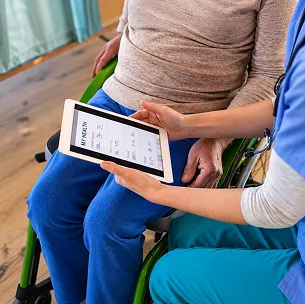
Monitor performance, fix issues, and manage updates.
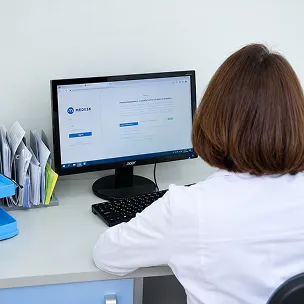
Create wireframes, UI designs, and interactive prototypes.

Conduct meetings and discussions to stay aligned.

Frequently Asked Questions About Hospital and Healthcare Technology
Questions hospital executives, digital leaders, and marketing teams most commonly ask before choosing Keyideas for a project.
Have a question or need support? Our team is here to help and will get back to you within one business day.
* indicates required fields