Clinical Research Workflow App for AI-Ready Organizations

If your clinical research organization is managing study workflows, task assignments, regulatory documentation, and stakeholder communications across spreadsheets, generic project management tools, and disconnected email threads, you are running complex operations on platforms built for general project managers rather than clinical research professionals. Portolo is a next-generation workflow management platform built specifically for clinical research organizations that need to coordinate people, processes, communications, and data across multiple departments, active studies, sponsor relationships, and external stakeholders without losing visibility into where each workflow currently stands at any given point.
Clinical research operations involve a level of multi-stakeholder coordination that generic workflow tools were not designed to support. Investigators, coordinators, sponsors, regulatory teams, and external laboratory partners all need to contribute to the same workflows, access the same documents, and stay aligned on the same timelines without creating communication gaps or duplicating effort. When those stakeholders communicate through separate email chains, update documents in separate file storage systems, and track tasks in separate platforms, the coordination failures that result are not a process problem. They are a technology gap.
Clinical research organizations that have invested in existing Clinical Trial Management Systems and electronic data capture platforms cannot abandon those systems to adopt a new workflow tool. A workflow platform that does not integrate with the existing technology stack forces teams to choose between losing their operational data history or continuing to manage workflows in a system not built for clinical research complexity. This integration problem is why clinical research teams continue using inadequate tools long after they recognize those tools are limiting their operational capacity and slowing their studies.
Artificial intelligence is beginning to enter clinical research operations in meaningful ways, including automated protocol deviation detection and predictive modeling for trial timelines. The challenge for clinical research organizations is not whether to adopt AI capabilities but how to build a workflow infrastructure that can accommodate AI agents without disrupting the established research processes and human oversight that regulatory compliance depends on. An organization that waits until AI tools are mature before addressing its workflow infrastructure will be unable to adopt them without a costly platform rebuild.
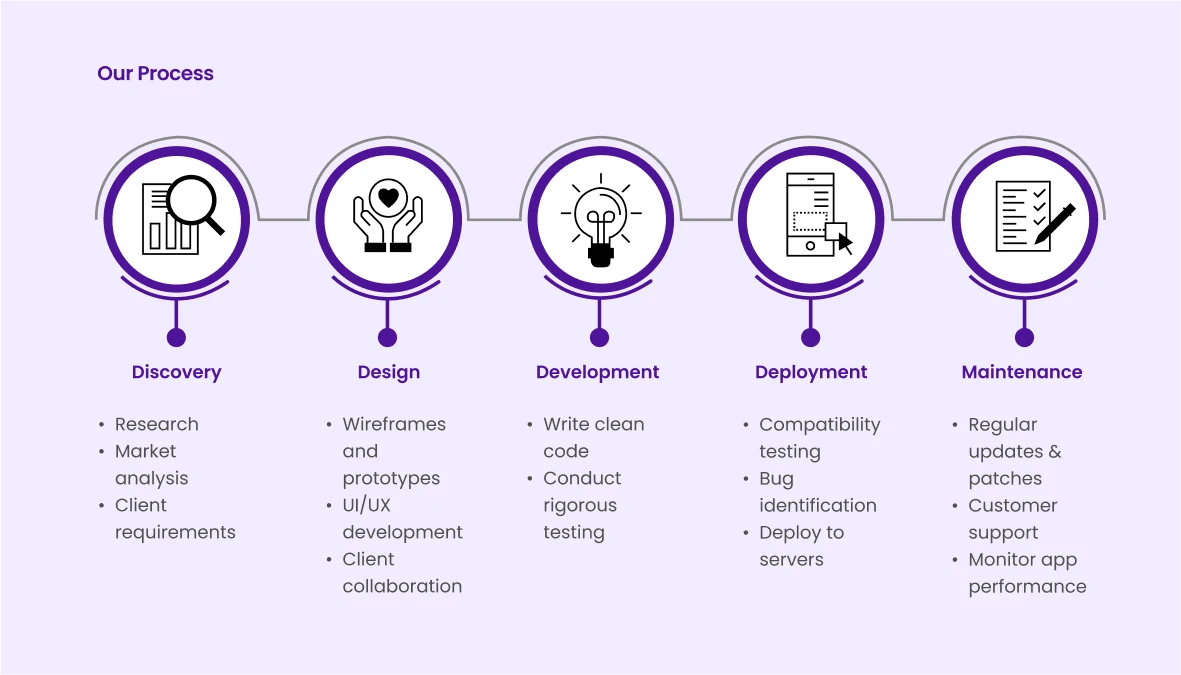
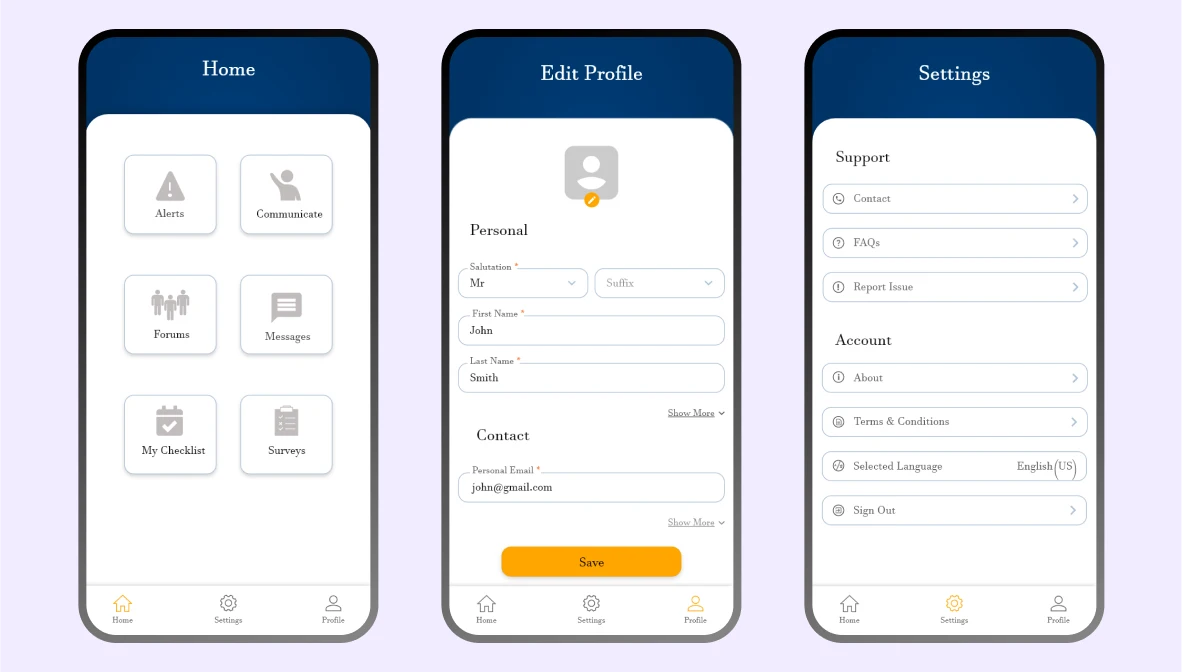
Keyideas built Portolo using a scalable, service-oriented architecture on the Microsoft .NET stack, supporting responsive web and mobile applications while integrating seamlessly with the existing Portolo ecosystem. Secure APIs were designed and developed to connect Portolo’s workflow engine with external Clinical Trial Management Systems and enterprise applications, allowing organizations to extend their technology investments rather than replace them. The backend was deployed on Microsoft Azure and optimized for high availability, real-time data synchronization, and long-term scalability to handle large clinical research workflow data volumes across concurrent studies.
The core of the Portolo platform is an advanced workflow management engine that Keyideas built to support dynamic role-based task assignments, automated escalations, configurable approval processes, and comprehensive end-to-end workflow tracking across every stage of the clinical research lifecycle. Unlike generic project management tools that apply the same flat task structure to all industries, this engine was built specifically for the highly collaborative, multi-organization, and human-centric nature of clinical research, where workflows frequently span multiple internal departments, external sponsors, and contract research organizations running concurrently.
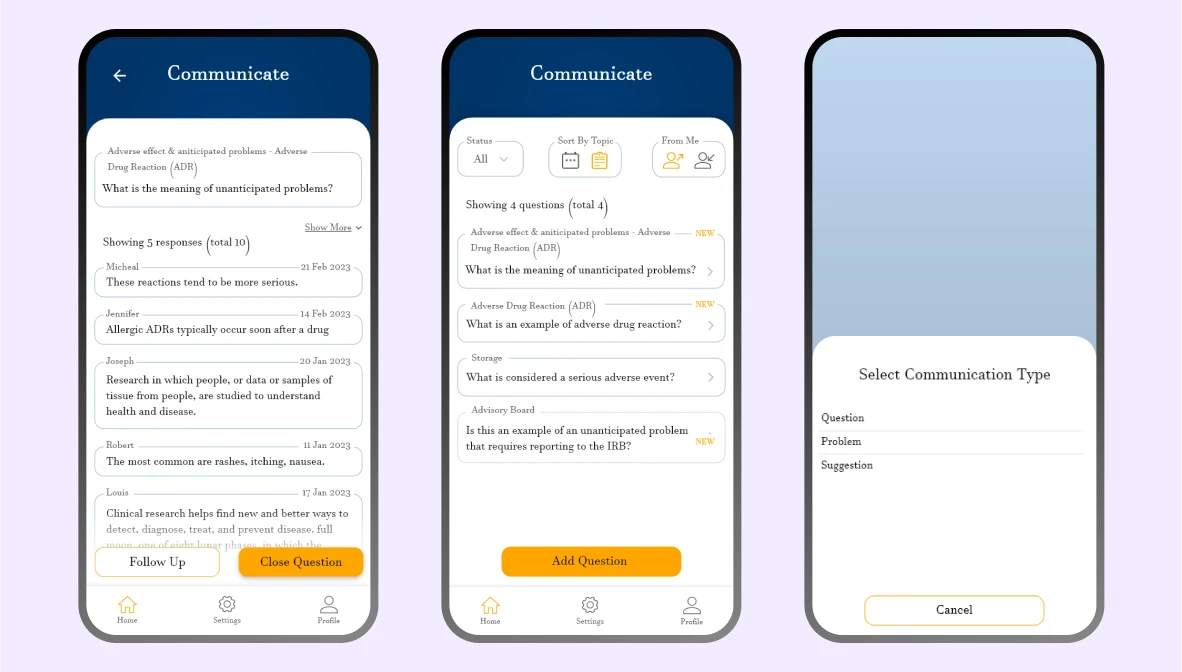
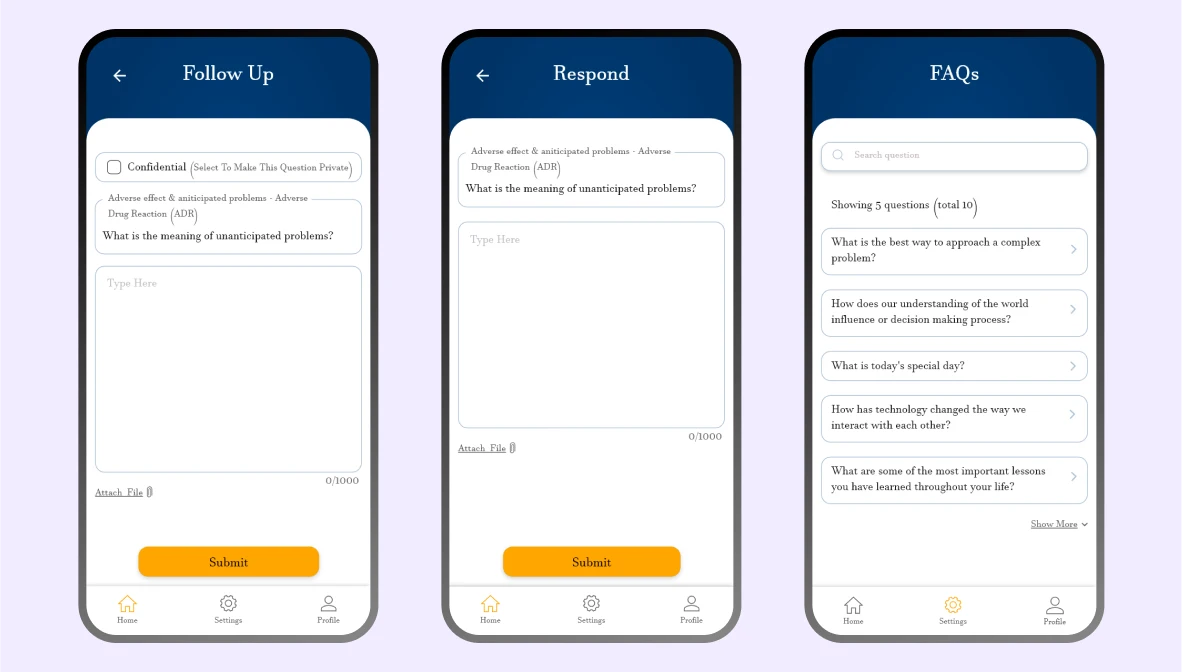
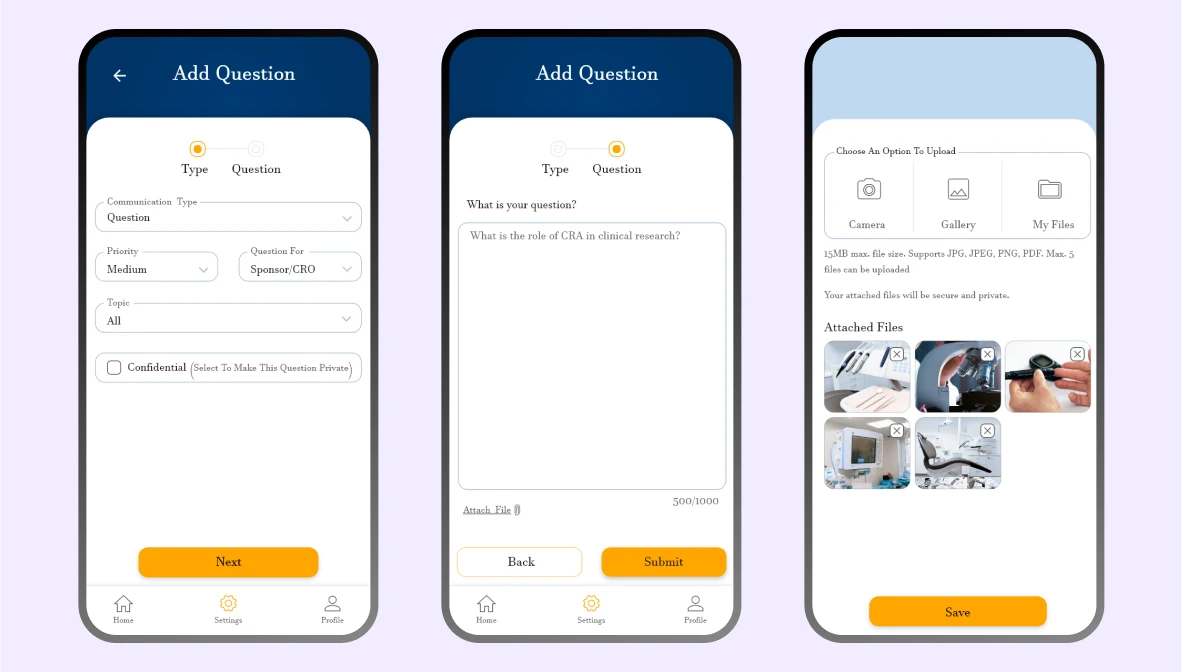
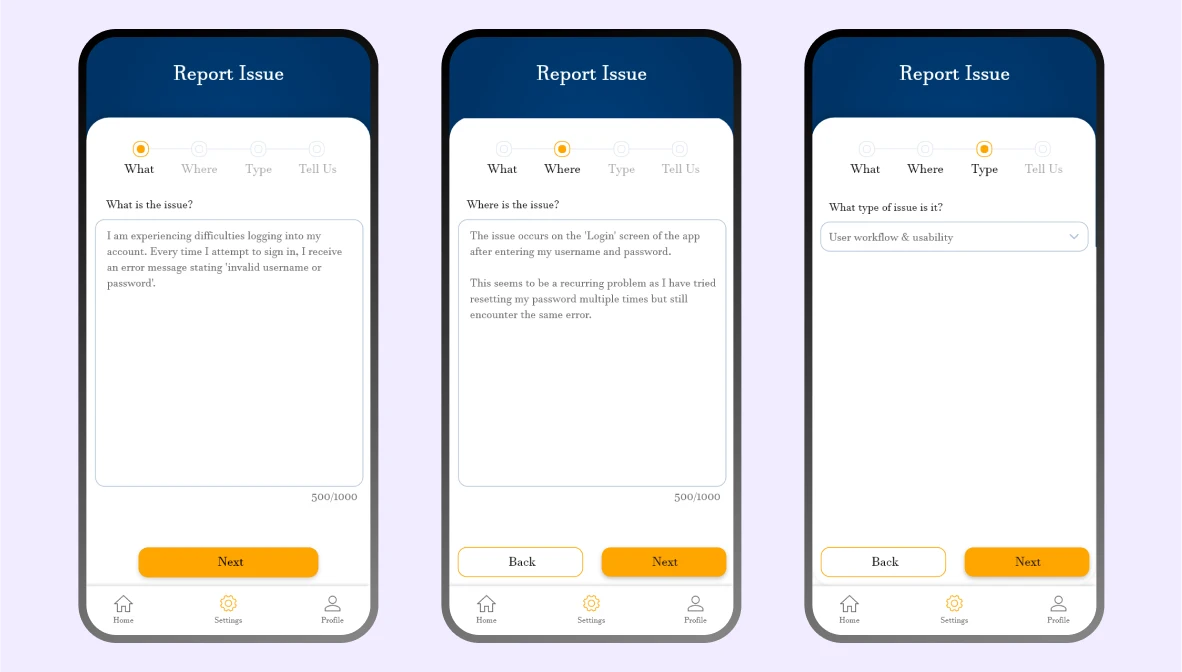
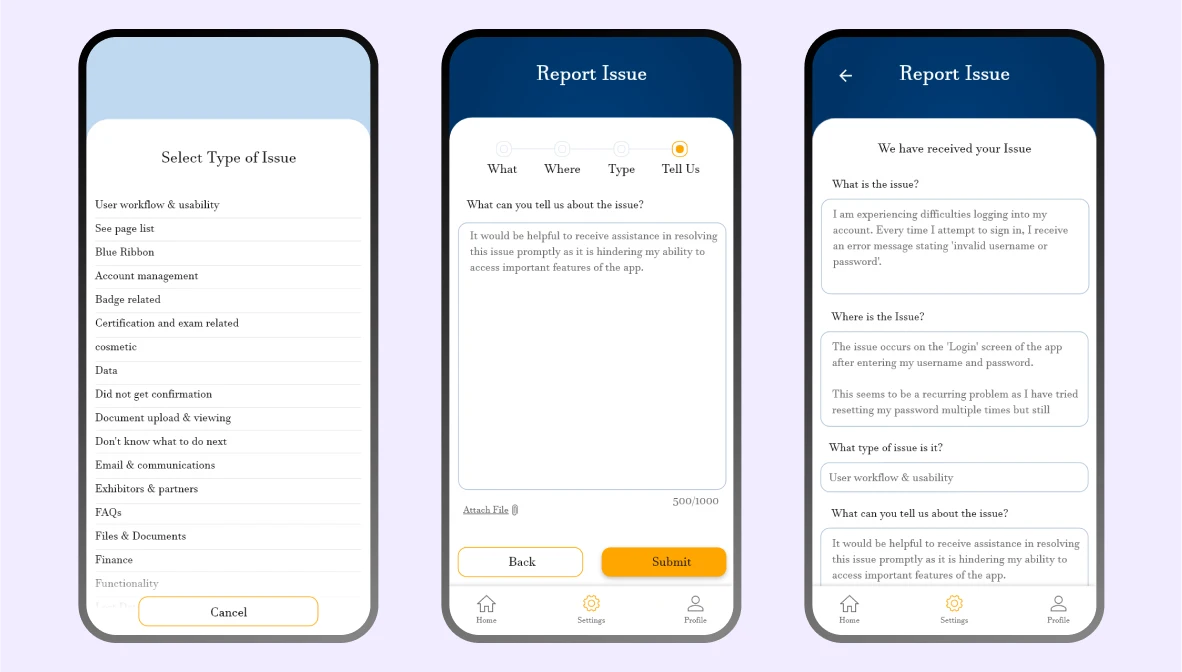
Integrated communication modules were built into Portolo to centralize workflow-related discussions, document sharing, and real-time notifications within the context of each process rather than in external email threads. Investigators, coordinators, sponsors, and research staff receive synchronized updates as workflow states change, ensuring all stakeholders remain aligned throughout every stage of a study without relying on manual status updates or separate communication tools. The platform also captures operational data on workflow completion rates, turnaround times, workload distribution, and overdue activities to support continuous process improvement across the organization.
Recognizing the growing role of artificial intelligence in enterprise software, Keyideas designed the Portolo architecture to support the integration of AI agents into clinical research workflows while preserving the essential human oversight that clinical professionals and regulators require. This forward-looking architecture allows organizations to adopt emerging AI capabilities as they mature without a platform rebuild. By delivering a secure, scalable, and collaborative workflow platform, the solution improved cross-team coordination, streamlined complex research operations, enhanced visibility into organizational performance, and established a flexible foundation for AI-enabled innovation in clinical research.
Have a question or need support? Our team is here to help and will get back to you within one business day.
* indicates required fields