Custom PHP + AWS Storefront Uniting Grocery and Pet Product Brands
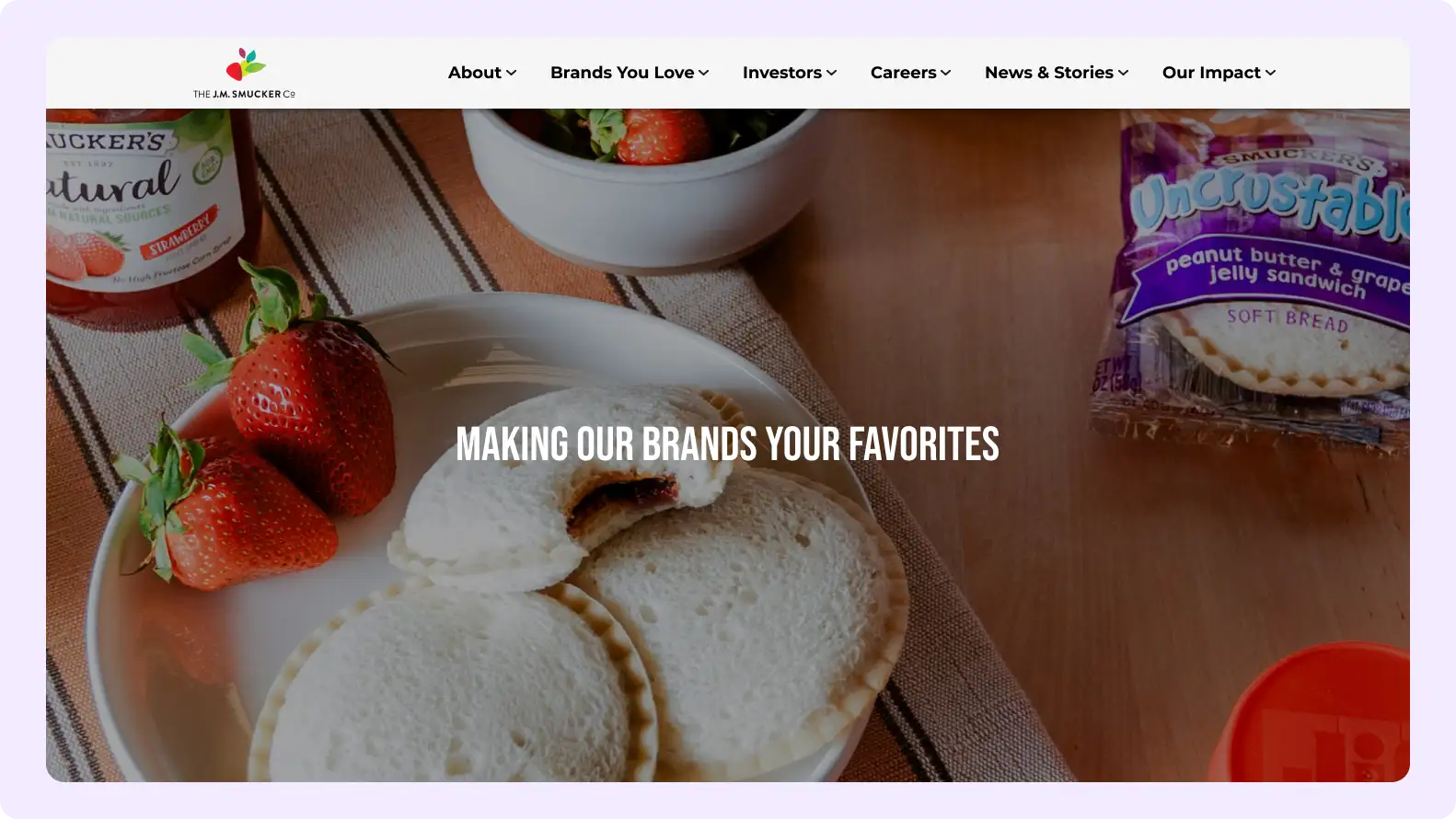
If you run a house of grocery and pet-product brands, you know each label tends to grow its own website, its own checkout habits, and its own audience. Shoppers who buy coffee, peanut butter, or dog treats rarely think about which parent company sits behind them. They just expect one tidy place to look, compare, and order. Meanwhile, the teams behind each label keep separate pages, content, and routines, which makes a single clear storefront hard to imagine. That patchwork makes one coherent story hard to tell.
Traffic adds another layer of difficulty. Grocery and pet shopping follows routines, holidays, and promotions, so visits can swell without much warning. A site built on a single modest server may slow down or fail precisely when attention peaks. Leadership also wants room for growth, since new brands, categories, and audiences will keep arriving, and every addition should fit into the existing structure instead of forcing yet another rebuild from the ground up. Slow pages during a big promotion lose shoppers who may never come back again.
Retail adds a further wrinkle, because these products also live on physical shelves. A shopper might read about a pet food online, then look for it in a store aisle, or the reverse. When the website and the store feel like two unrelated worlds, people lose confidence and wander off. Connecting the digital experience with physical retail means the online presence must explain, guide, and point toward where products can actually be found and bought. Disconnected experiences leave people unsure whether an item is even sold nearby.
Design carries its own burden. Off-the-shelf templates tend to flatten distinct brand personalities into the same gray layout, yet a family favorite and a pet-nutrition label speak to very different feelings. A parent company needs one coherent home that still lets each brand look like itself, with interface choices that work on phones in a busy aisle as well as desktops at home, and that stay manageable for the people updating them every week. Maintaining all of that by hand becomes a heavy chore for small teams.
Keyideas built a custom eCommerce platform in PHP + AWS that gathers several grocery and pet-product brands under one digital storefront. Instead of adapting a packaged template, our developers wrote the application to match how these brands actually organize their catalogs, content, and ordering paths. Each brand keeps its own identity inside a shared framework, so a visitor can move between food and pet items without feeling that they left the site or started over in a different shop. The structure leaves plenty of room for further brands.
Keyideas placed the application on AWS infrastructure so capacity can be adjusted as visits rise and fall. Servers, storage, and delivery services are configured to share the load, which gives the platform a foundation that can absorb busier periods and accommodate additional brands over time. Our team set up the environment with growth in mind, so adding traffic, catalogs, or sections becomes a matter of extending what exists rather than replacing it with something new. Engineers can adjust resources as demand shifts, long before shoppers notice any strain.
Keyideas shaped the storefront around an omnichannel idea, tying online browsing to the physical retail world where these products are sold. Pages are arranged so a shopper can learn about an item, understand where it fits among a brand’s range, and carry that knowledge into a store visit or an online order. Our developers wired the digital side to support that journey, so the website works as a companion to shelves rather than a rival to them. Product information stays consistent between channels, which helps people trust what they read.
Keyideas completed the work with bespoke UI and UX design created for this portfolio. Designers drew distinct visual treatments for each brand, then unified navigation, spacing, and typography so the whole storefront reads as one family. Layouts respond cleanly to phones, tablets, and desktops, and the content structure stays straightforward for editors to maintain. The outcome is an interface that feels intentional, speaks in each brand’s voice, and keeps the path from curiosity to checkout short. Editors can add new pages without asking developers to restructure anything.
Have a question or need support? Our team is here to help and will get back to you within one business day.
* indicates required fields