Industrial Technology and Digital Transformation Services
An asset that fails unexpectedly costs far more than the same issue caught early. We build the monitoring that catches it first.
Contact UsAn Overview of Our Industrial Technology Services
Below is an overview of the key areas we cover when building technology across the industrial sector, including manufacturing, building materials, industrial equipment, agriculture, oil and gas, mining, energy and utilities, and industrial distribution, explained in more detail below.
- AI-Powered Industrial Operations
- Industrial Agentic AI and Autonomous Workflows
- Smart Manufacturing and Industry 4.0
- Connected Industrial Equipment and IoT
- Digital Twins for Industrial Operations
- Predictive Maintenance and Asset Intelligence
- Industrial Data Platforms and Real-Time Analytics
- AI-Powered Quality Control and Inspection
- Connected B2B Commerce, Catalogs, and Product Configuration
- Dealer and Distributor Portals, Onboarding, and Territory Management
- ERP, CRM, and Industrial System Integration
- Industrial Supply Chain Visibility
- Industrial Cybersecurity and OT Security
- Legacy Industrial Application Modernization
Industrial Technology Platforms We Have Delivered
Explore industrial technology projects from organizations around the world, each one reflecting careful data connectivity and security design.
The Industrial Platforms and Tools We Use
Industrial technology only works when grounded in real expertise across IoT, data, and security tools.
We Build On
We Migrate From
Core Industrial Technology Capabilities We Deliver
From AI-powered operations to legacy application modernization, these fourteen capabilities cover industrial technology end to end.
AI-Powered Industrial Operations
Operator Copilots Answering From Manuals and Procedures With the Source Cited, and Shift Handover Summaries Built From Plant Data
Operators and Engineers Getting the Right Procedure in Seconds
Not a Binder of Procedures on a Shelf Nobody Opens During a Fault
When a machine faults at three in the morning, the operator needs the right procedure now, and a binder of manuals or a search through a shared drive costs minutes that stop a line. We build AI-powered industrial operations with copilots that answer operator and maintenance questions from the plant’s own manuals, procedures, and work history with the source cited, summarize shift handovers from machine and work order data, explain alarms and anomalies in plain language, draft work orders for review, and keep a person in control of every action that touches equipment, so knowledge is available at the point of need.
Industrial Agentic AI and Autonomous Workflows
Agents That Raise Work Orders, Reorder Spare Parts, and Schedule Inspections Within Approval Limits, and Never Command Safety-Critical Equipment
Routine Industrial Tasks Handled in the Background Under Human Authority
Not an Autonomous System With No Boundaries Around What It May Change
Plants have many routine tasks that follow clear rules, such as ordering a part when stock falls below a level or scheduling an inspection when a counter reaches a threshold, but handing a system open-ended control of equipment is unacceptable. We build industrial agentic AI and autonomous workflows with agents limited to defined tasks and spending limits, human approval above those limits, a complete log of every action and its reason, read-only access to safety and control systems, test environments for new workflows, and a clear way to switch an agent off, so automation takes routine work without taking authority it should not have.
Smart Manufacturing and Industry 4.0
Production, Quality, and Logistics Connected Into One Operation
A Genuinely Connected Operating Model
Not Isolated Islands of Automation
A facility running production equipment, quality systems, and logistics as disconnected islands of automation captures only a fraction of the value that connecting those systems into one coordinated, data-sharing operation would unlock. We build smart manufacturing and Industry 4.0 capability that connects production, quality, and logistics systems into one coordinated operation, helping facilities move beyond isolated pockets of automation toward a genuinely connected operating model that shares data across functions rather than within them alone.
Connected Industrial Equipment and IoT
Equipment Data Collected Through Standard Industrial Protocols and Buffered at the Edge, So Nothing Is Lost When the Network Drops
Readings From Every Machine Arriving Complete and Comparable
Not Sensor Data That Vanishes Every Time the Connection Fails
Industrial equipment speaks many protocols, sits on networks that drop, and is named differently on every line, so data from one plant is hard to compare with another and gaps appear whenever connectivity fails. We build connected industrial equipment and IoT solutions with gateways that read from controllers and sensors through standard industrial protocols, edge buffering that stores readings during outages and forwards them afterward, a consistent asset hierarchy and naming across plants, device management and secure updates, and clear data quality flags, so readings are complete, comparable, and trusted.
Digital Twins for Industrial Operations
Modeling Equipment, Processes, and Facilities Virtually
Testing Changes in a Digital Model First
Not Discovering Problems After a Costly Live Change
A facility making a significant process change or equipment investment without first modeling that change virtually is testing a costly decision directly against live operations rather than against a digital model that could reveal problems before they ever affect real production. We build digital twin capability for industrial operations that models equipment, processes, and facilities virtually, letting organizations test changes and predict outcomes in a digital model rather than discovering problems only after a costly change has already been made to live operations.
Predictive Maintenance and Asset Intelligence
Vibration, Temperature, and Current Signals Turned Into Remaining-Life Estimates, With Repairs Planned Into the Production Schedule
Maintenance Done Just Before Failure, Not Long Before or After
Not a Bearing Replaced on a Calendar While a Different One Fails
Replacing parts on a fixed calendar wastes good components and still misses the failure that happens in between, while waiting for breakdowns stops production. We build predictive maintenance and asset intelligence that turn vibration, temperature, and motor current signals into estimates of remaining life for critical assets, rank risks by consequence for production, propose maintenance windows that fit the schedule, check spare parts availability before a job is planned, and learn from the outcome of each repair, so maintenance happens just before failure rather than long before or after it.
Industrial Data Platforms and Real-Time Analytics
Historian, MES, and ERP Data Combined Into One Contextualized Time-Series Model, With OEE and Downtime Reasons Reported by Line and Shift
Everyone Reading the Same Numbers for the Same Machine
Not Three Spreadsheets Reporting Three Different OEE Figures
Production data lives in historians, manufacturing execution systems, and ERP, each with its own names and units, and the same line can show three different efficiency figures depending on whose spreadsheet is used. We build industrial data platforms and real-time analytics that bring these sources into one time-series model with each reading tied to its asset, unit, and product, calculate overall equipment effectiveness and downtime by reason on a single agreed definition, stream live views to the floor and the boardroom, and keep raw history for analysis, so everyone reads the same numbers.
AI-Powered Quality Control and Inspection
Analyzing Production Output for Defects and Deviations
Faster, More Consistent Inspection
Not Manual Review Prone to Inconsistency at Production Speed
A quality inspection process relying entirely on manual visual review is both slower and more prone to inconsistency than an AI-assisted inspection approach that can flag a defect pattern a human reviewer working at production speed might miss. We build AI-powered quality control and inspection tools that analyze production output for defects and deviations, supporting faster, more consistent inspection than manual review alone can reliably provide at the pace modern production actually runs.
Connected B2B Commerce, Catalogs, and Product Configuration
Catalogs, Configuration, and Ordering Unified
A Buying Path That Matches Modern Commerce Expectations
Not a Fragmented Process Built Around Legacy Tools
An industrial buyer trying to research specifications, configure a product, and place an order through a supplier’s disconnected catalog, configurator, and ordering systems experiences a buying process considerably more cumbersome than the connected digital commerce experience available in nearly every other B2B category today. We build connected B2B commerce capability that unifies product catalogs, configuration tools, and ordering into one coherent buying experience, giving industrial buyers a digital purchase path that matches commerce expectations formed well outside the industrial sector rather than a fragmented process built around disconnected legacy tools. RFQ workflows let buyers request quotes for configured or high-volume items and receive account-specific pricing.
Dealer and Distributor Portals, Onboarding, and Territory Management
Dealer Portals and Distributor Portals With Account-Specific Pricing, Live Inventory, and Order Management, Onboarded Through a Digital Workflow
Dealers and Distributors Ordering and Serving Themselves
Not Dealers Phoning in Orders and Waiting for a Price List
Manufacturers that sell through dealers and distributors depend on how easily those partners can find products, see their own prices, check stock, and place orders, and a partner who must call for each of these will carry a competitor’s line. We build dealer portals and distributor portals with account-specific pricing and discounts, live inventory visibility, order management from placement to delivery, a dealer onboarding workflow that collects applications, credit information, and agreements, a dealer locator that sends buyers to the right partner, and territory management that assigns accounts and protects each partner’s area, with ERP and CRM integration behind it.
ERP, CRM, and Industrial System Integration
Bills of Materials, Production Orders, and Customer Accounts Shared Between the ERP, MES, CRM, and Portals Without Retyping
The Plant, the Office, and the Customer Working From the Same Orders
Not a Production Order Re-Entered From an Email Because Two Systems Disagree
In an industrial company, a sales order becomes a production order, which draws on a bill of materials and inventory, and when the CRM, ERP, and shop floor systems are not connected, orders are re-entered and the plant builds from stale data. We build ERP, CRM, and industrial system integration that passes sales orders to production planning, keeps item masters and bills of materials consistent across systems, returns production and shipment status to the customer record, links service history to the account, and flags failed transfers for correction, so orders move from quote to delivery without retyping, feeding the dealer portal as well.
Industrial Supply Chain Visibility
Supplier Shipments, Lead Times, and Inventory Positions Tracked Against the Production Schedule, With Alerts When a Delay Will Stop a Line
Shortages Seen Days Before They Halt Production
Not a Missing Component Discovered at the Assembly Station
A single late component can stop an entire line, yet many industrial companies learn about a supplier delay only when the part fails to appear. We build industrial supply chain visibility that tracks purchase orders and inbound shipments against promised dates, compares supplier lead time performance, projects inventory against the production schedule, alerts planners when a delay will affect a specific production order, suggests alternatives such as another supplier or location, and shares visibility with trusted suppliers, so shortages are handled days before they halt production.
Industrial Cybersecurity and OT Security
Plant Networks Segmented Into Zones, Vendor Remote Access Supervised and Recorded, and Equipment Monitored Passively Because It Cannot Be Patched Like an Office PC
Production Protected Without Interrupting It
Not a Contractor’s Laptop Plugged Directly Into the Controller Network
Industrial control systems often run for decades on software that cannot be patched or scanned like office computers, and a vendor or contractor connecting directly to the plant network can bring in malware or take a line down. We build industrial cybersecurity and OT security with network segmentation into zones with controlled conduits between IT and OT, an asset inventory built by passive monitoring, supervised and recorded remote access for vendors, anomaly detection tuned to industrial protocols, incident response plans that account for safety and production, and secure update procedures, with safety and regulatory obligations remaining the company’s responsibility.
Legacy Industrial Application Modernization
Old Shop-Floor Applications, Access Databases, and Custom Reports Wrapped With APIs and Replaced Piece by Piece While the Line Keeps Running
Modernizing Without Stopping Production
Not a Weekend Cutover for a System the Plant Cannot Afford to Lose
Many plants depend on a custom application written years ago, an Access database, or a screen on an unsupported operating system, and replacing it in a single cutover risks stopping production for a system nobody fully understands. We build legacy industrial application modernization by documenting how the old system actually behaves, wrapping it with APIs so new tools can use its data, replacing functions one at a time, running old and new in parallel with reconciliation, scheduling cutovers into planned shutdowns, and keeping a tested way back, so the plant modernizes without stopping production.
How We Collaborate With Our Clients
We work as an extension of your team, with clear milestones, regular updates, and direct access to your project lead.
Management
Plan tasks, timelines, and project resources efficiently.
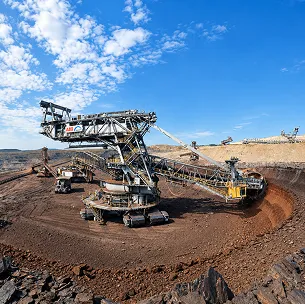
Build scalable solutions with clean and secure code.
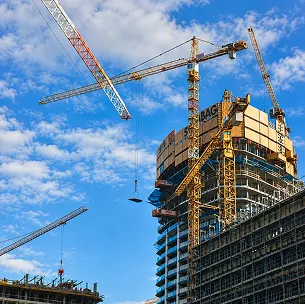
Monitor performance, fix issues, and manage updates.
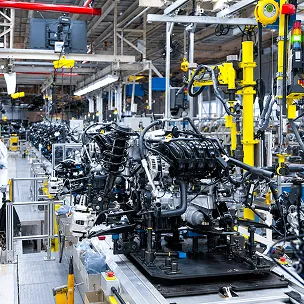
Create wireframes, UI designs, and interactive prototypes.
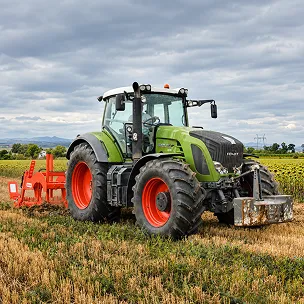
Conduct meetings and discussions to stay aligned.
Frequently Asked Questions About Industrial Technology
Questions industrial organization technology leaders most commonly ask before choosing Keyideas for a project.
Have a question or need support? Our team is here to help and will get back to you within one business day.
* indicates required fields